Get Full Government Meeting Transcripts, Videos, & Alerts Forever!
Get email alerts on the City Infrastructure Engineering topic
No spam. Unsubscribe anytime.
Memphis Division of Engineering presents flat FY26 operating budget despite vacancy and forecast gaps
Summary
Division of Engineering told the Memphis City Council budget committee its FY26 operating budget is essentially flat with FY25, but faces 10–15% vacancies and a multi-million-dollar forecast/actual variance staff said stems from recent trends and carry‑forwards.
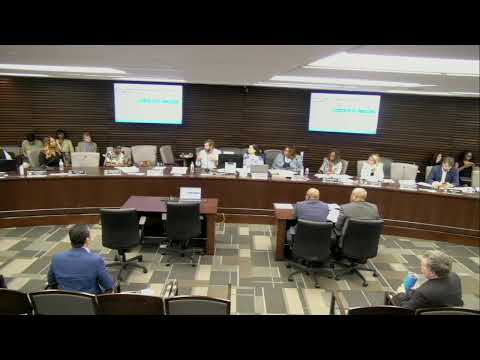
The Memphis Division of Engineering told the City Council budget committee on May 7 that its proposed fiscal 2026 operating budget is essentially flat with fiscal 2025 while the division continues to operate with persistent vacancies and forecast swings.
Manny Belen, director of the Division of Engineering, said, "So we're here to present our FY 26 operating budget for the division." He told the committee the division has five service centers and that vacancies fluctuate "around 10 to 15% in terms of vacancies."
The presentation said the division is one of the smallest in the mayor's budget, representing roughly 1.3% of the mayor's total operating budget, and staff described recruiting challenges in plan review and construction engineering. Chair Carlisle pressed for clearer targets, asking whether the division could manage to the administration's labor and operating targets and requesting follow‑up conversations about what level of reduction is realistic.
Committee members and staff discussed the division's use of interns and licensed professional engineers to expand capacity. Belen noted the division already "has engineering interns" and that "professional engineers oversee those engineering interns as well." Chair Carlisle also recommended one‑on‑one meetings between engineering and traffic staff where federal and state grant timing complicates local scheduling.
Committee members asked for documentation to support performance metrics and for follow‑up on how the division plans to reduce forecast variance. Belen said forecasts were based on recent trends across the previous three quarters.
No formal action or vote was taken on the operating budget during the session; the discussion was presented as an operational review ahead of later budget votes.
Members asked for more detail on staffing plans, and Chair Carlisle asked Engineering to return with clarifications on what number it could reliably manage to, emphasizing a need for candid, ongoing discussion about achievable targets.