Get Full Government Meeting Transcripts, Videos, & Alerts Forever!
Get email alerts on the Housing Zoning Adus topic
No spam. Unsubscribe anytime.
Council introduces zoning updates to comply with state housing laws, including ADU and emergency‑shelter revisions
Summary
The council introduced ordinance 25‑02 to bring Orinda’s zoning code into compliance with multiple California laws governing accessory dwelling units (ADUs), residential care facilities, transitional/supportive housing, employee farmworker housing and emergency shelters; the ordinance will return for formal adoption at a future meeting.
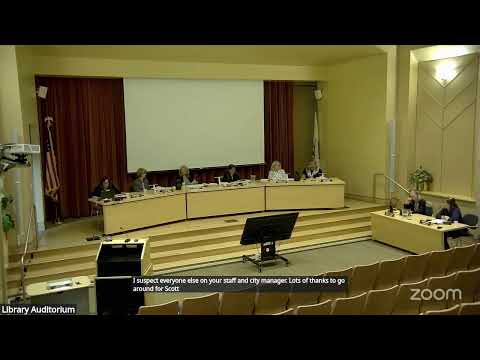
Assistant Planner Selena Palmer presented a staff‑initiated package of minor zoning text amendments the planning commission recommended to the City Council; staff said the changes are required by state law and clarify Orinda’s code to align with new statutory language.
Why it matters: The amendments revise Title 17 to ensure local regulations for accessory dwelling units (ADUs), junior ADUs (JADUs), residential care facilities, transitional and supportive housing, employee farmworker housing, and emergency shelters comply with California law. Staff said the changes remove conflicts with state requirements and add definitions and permitted‑use designations required by recent statutes.
Palmer told the council that the proposal narrowed the original scope to only those items required by state law and that the changes were recommended by the planning commission. “These are state mandated changes and are not optional,” Assistant Planner Selena Palmer said during the presentation. Staff described several technical edits: updating cross‑references to moved government‑code sections, making ADU building‑height and parking rules consistent with state standards, allowing residential care facilities serving six or fewer to be treated as residential uses, and updating emergency‑shelter rules (including raising the nightly client‑bed cap from seven to 20 and changing separation and parking standards in line with state law).
The planning commission recommended approval; no public speakers attended the council public hearing on the item. Council introduced ordinance 25‑02, waived full reading, found the changes exempt from CEQA and directed staff to file a notice of exemption. The ordinance will return to the council on the consent calendar for formal adoption.
What’s next: Staff will finalize ordinance language and return the ordinance for adoption at a future council meeting; staff also noted they removed one previously proposed change (a definition of “kitchen”) and will address that in a later code revision.