Get Full Government Meeting Transcripts, Videos, & Alerts Forever!
Get email alerts on the Criminal Justice Backlog topic
No spam. Unsubscribe anytime.
Dallas County leaders raise alarm over thousands of unresolved criminal cases and drug-lab delays
Summary
County officials pressed for answers after staff presented a report showing thousands of criminal cases still needing disposition, repeated passings of older cases and slow drug analysis after a vendor change, and asked staff to get more detailed jail and case-status data from clerks and courts.
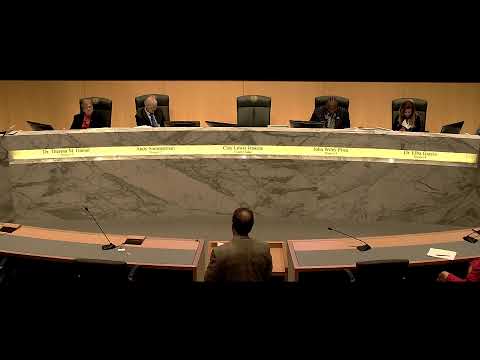
Dallas County officials pressed staff on May 6 about a large backlog of unresolved criminal cases and delays in drug analysis that county leaders said are keeping people in custody and slowing prosecutions.
Commissioners and court staff flagged a report showing about 7,900 cases filed from 2019 through 2023 that must be disposed of by Aug. 1 for the county to meet a 90% disposition target. Commissioner John Wiley Price and others pointed to individual cases that have been “passed” dozens of times — with examples in the meeting transcript of cases passed 15, 40 and even 53 times — and asked why cases that appear active have not moved toward trial or disposition.
The county’s criminal-justice and clerk’s staff told the court they are reviewing the lists to determine whether defendants are in jail or out on bond and why settings were repeatedly delayed. A criminal-justice representative said departments are working with judges and court coordinators to run reports on unscheduled cases so cases can be set and moved toward disposition, and that some reporting gaps exist because of limitations in state court-administration systems.
Separately, commissioners heard that a change in the vendor that performs drug evidence analysis for some law-enforcement partners has slowed prosecutions. County staff said samples that previously were processed by an existing vendor now go to a new private analyzer, and the new vendor’s backlog is delaying filings: “those individuals who have not had that drug analysis, they can’t file the case. They may be in jail. They can’t make bond,” a county official told the court. Commissioners said they had asked both the criminal-justice office and the district attorney’s office to quantify how many people are held in custody pending analysis and to report back.
Commissioners directed staff to get more granular information from the district clerk and criminal-justice teams: which cases are in jail versus out on bond, the last court activity date, and whether cases on the multi-page lists are being actively pursued. Several commissioners said they will send a letter to the Office of Court Administration and other state oversight bodies if the local review shows court coordinators or judges are not scheduling hearings.
County leaders said the backlog threatens the county’s ability to meet statutory reporting and disposition targets and could affect public-safety operations and jail population management unless courts and parties prioritize setting and disposing older cases.
The court did not take formal votes on remedies during the meeting; instead, commissioners asked staff to return a detailed report with counts of in-custody defendants, status of forensic analyses, and a plan for accelerating disposition so the county can meet its August goal.
The court’s follow-up instructions directed the county criminal-justice department and the district clerk to compile the requested lists and to coordinate with judges and the district attorney’s office to set those cases for court.
Why it matters: Thousands of long-pending cases create strain on jail capacity, complicate defendants’ rights and can expose the county to legal and fiscal risk if statutory disposition targets are missed.
What’s next: County staff were asked to provide a court-ready report identifying how many of the outstanding cases involve in-custody defendants, which vendor analyses are pending and a plan and timetable for clearing the oldest dockets.