Get Full Government Meeting Transcripts, Videos, & Alerts Forever!
Get email alerts on the Child Welfare Reform topic
No spam. Unsubscribe anytime.
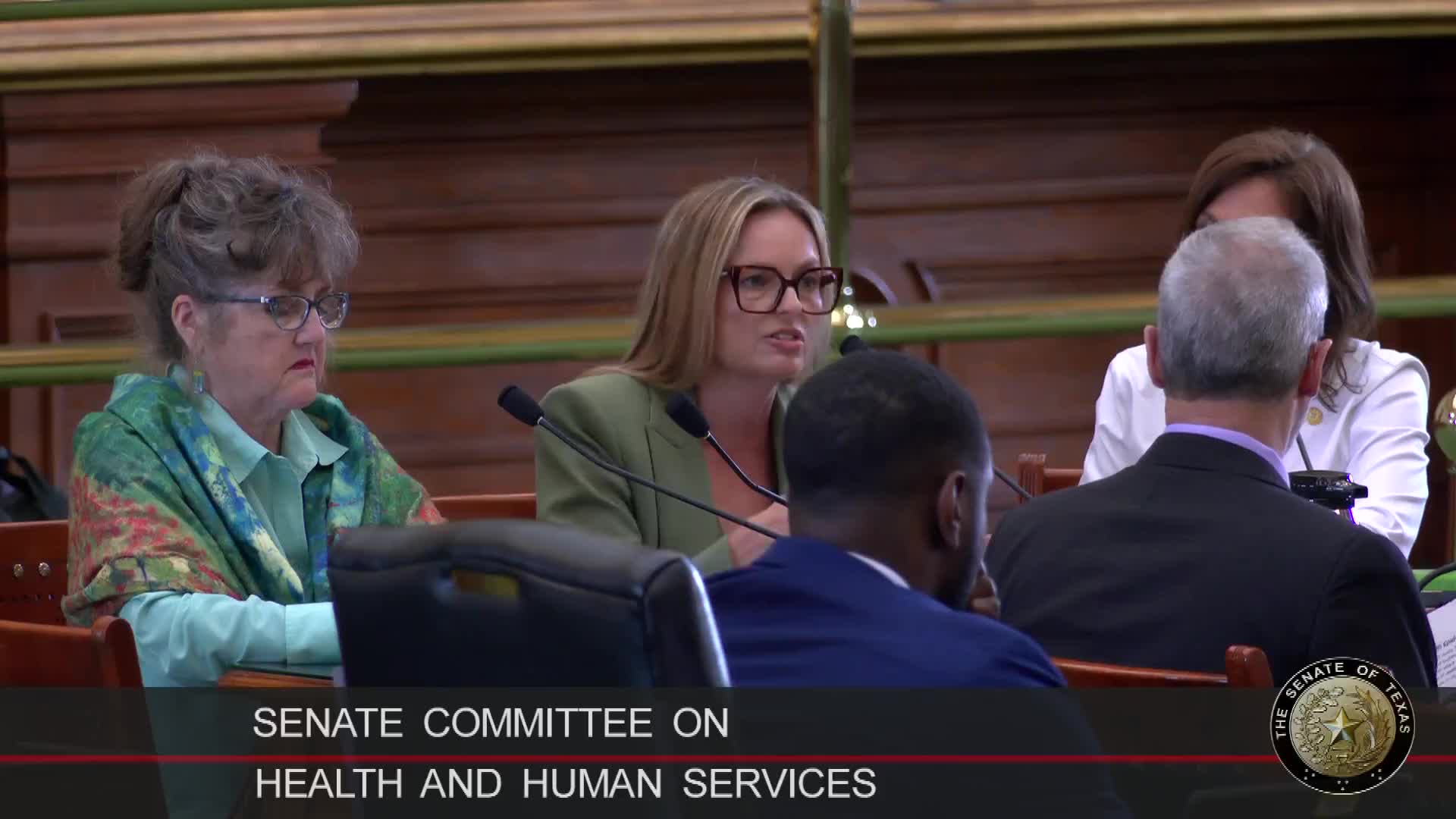
Senate hearing on bill to apply ICWA standards statewide sparks debate over resources, legal standards and child safety
Summary
House Bill 2216 would adopt several procedural and evidentiary protections modeled on the Indian Child Welfare Act—raising the removal evidentiary standard, requiring 'active efforts' rather than 'reasonable efforts', prioritizing placement with relatives and guaranteeing counsel for indigent parents; supporters said the changes protect families,
Senators took testimony on House Bill 2216, a bill that would incorporate elements of the Indian Child Welfare Act (ICWA) into the Texas Family Code for all families involved in child welfare cases. Sponsor Senator Sparks described the bill as raising the evidentiary standard for removal, requiring active efforts to prevent removal and to reunify families, prioritizing placement with relatives and guaranteeing automatic counsel for indigent parents when a child is removed.
Proponents argued the bill applies higher procedural protections already afforded to Native American children to all children in Texas, with supporters saying the state should require the department to do more than “reasonable efforts.” Andrew Brown of the Texas Public Policy Foundation said the active‑efforts standard requires more intensive, documented, casework than the current standard; Jeremy Newman of the Family Freedom Project said the bill raises the evidentiary standards and limits termination where there is no clear nexus of harm to the child.
Opponents raised concerns about resource demands and unintended consequences. Multiple county and court officials, including Phil Crowley (county judge) and Laura Seibert (Smith County CPS chief for the district attorney’s office), warned the bill would increase casework time, add fiscal burden for counties and could leave children in care longer if courts cannot find safe placements. ARO 4 Kids and other community providers said the change to active efforts could require many more caseworkers and support staff; ACH Child and Family Services estimated that active efforts could add 30–50% more time per case and warned the bill as written asks for higher performance without additional resources.
Proponents and sponsors emphasized the bill’s policy goals to keep children safe while maximizing family preservation. Senator Sparks acknowledged concerns about fiscal and implementation details and received a suggestion from DFPS to implement active efforts initially as a casework standard and measure resource impacts before codifying a higher legal evidentiary standard. The committee closed testimony and left House Bill 2216 pending.