Get Full Government Meeting Transcripts, Videos, & Alerts Forever!
Get email alerts on the Foster Benefits topic
No spam. Unsubscribe anytime.
Senate substitute for bill would limit DFPS use of foster youths’ federal benefits and require alternate payees when possible
Summary
The committee considered a substitute to Senate Bill 577 that would require DFPS to seek another representative payee for federal benefits received on behalf of foster children and restrict DFPS from spending those benefits to offset placement costs.
Senate Bill 577, discussed by Senator West with a committee substitute, would change how federal benefits payable to children in foster care (for example Supplemental Security Income, survivor or disability benefits) are handled. Under the committee substitute the Department of Family and Protective Services must consult with the child or the child’s legal representative to identify another suitable representative payee; DFPS may serve as representative payee only if no suitable candidate is available and, when DFPS serves as payee, the bill would restrict how federal benefits are spent and require that leftover funds serve the child’s unmet needs rather than offset the department’s costs.
Senator West said department practice had resulted in $25,000,000 in federal benefits received by DFPS between Sept. 1, 2023 and Jan. 31, 2025 on behalf of more than 3,400 foster children, and he cited peer states that have enacted reforms. Buckner International, foster youth and advocates testified in favor. Buckner’s Sydney Baker said youth who age out without these benefits can lack savings and housing; a witness who aged out of care said discovering benefits had been spent was devastating and that the funds could have supported education or housing.
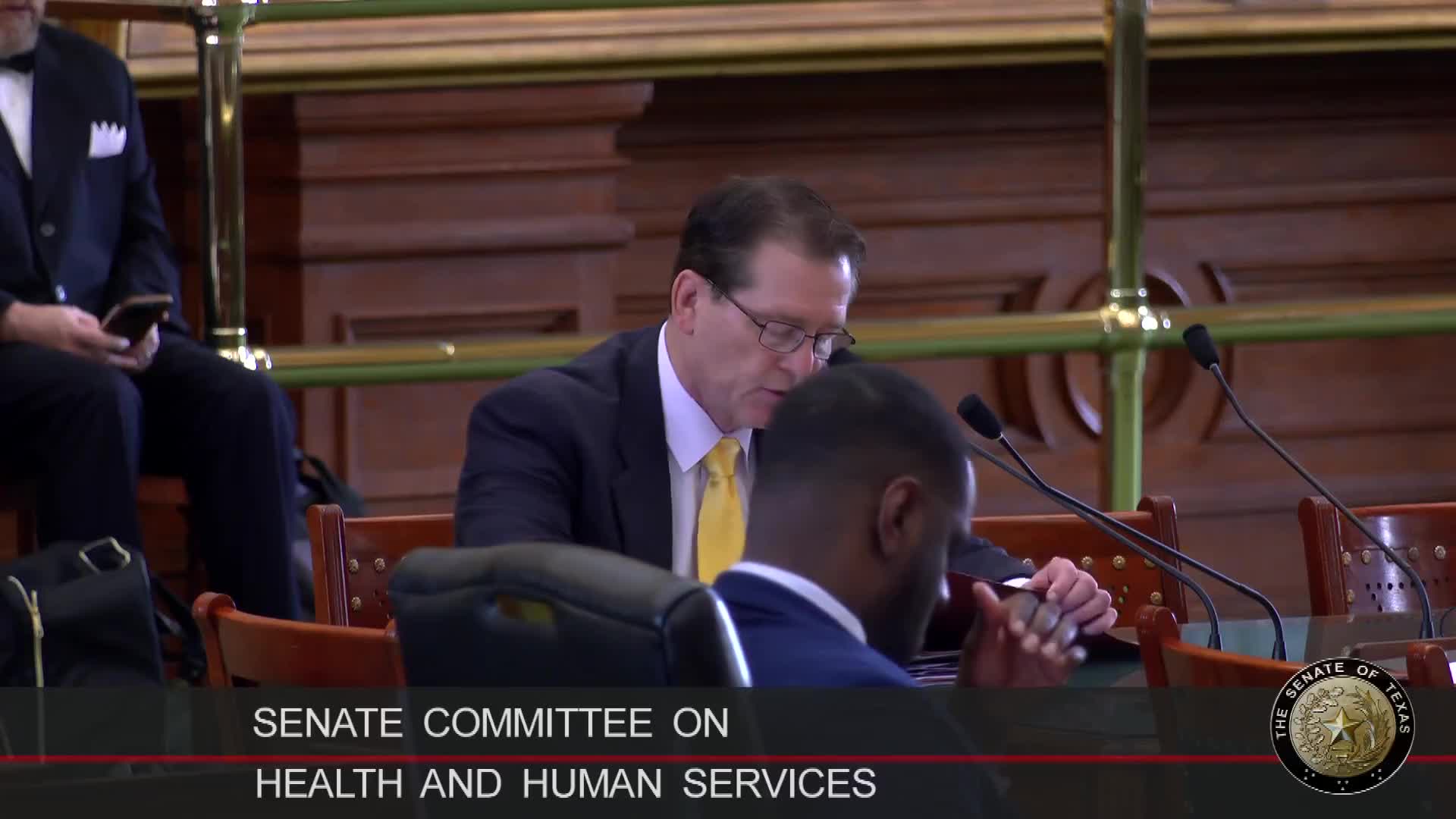
DFPS Chief Financial Officer Leanne Bigger said the agency uses benefits that it receives to offset placement costs and that on unverified kinship placements SSI is passed directly to caregivers; she provided high‑level fiscal context and acknowledged the committee substitute seeks to create a different administrative process. Committee members discussed fiscal notes and implementation complexities; Bigger said the agency could provide additional data about the percentage of children eligible for SSI and the department’s fiscal practices.
The committee called resource witnesses and heard arguments about stewardship of funds on behalf of foster youth. The committee closed public testimony and left the substitute pending.