Get Full Government Meeting Transcripts, Videos, & Alerts Forever!
Get email alerts on the Education Curriculum Climate topic
No spam. Unsubscribe anytime.
Public hearing: bill would add climate science and sustainability to standards review; proponents say process already exists while opponents warn of vague terms
Summary
The Senate Education Committee heard testimony on House Bill 3365, which would direct that climate science and sustainability be considered during routine reviews of Oregon academic standards; supporters said the bill uses existing review processes, while opponents warned the language is too vague and could impose costs on districts.
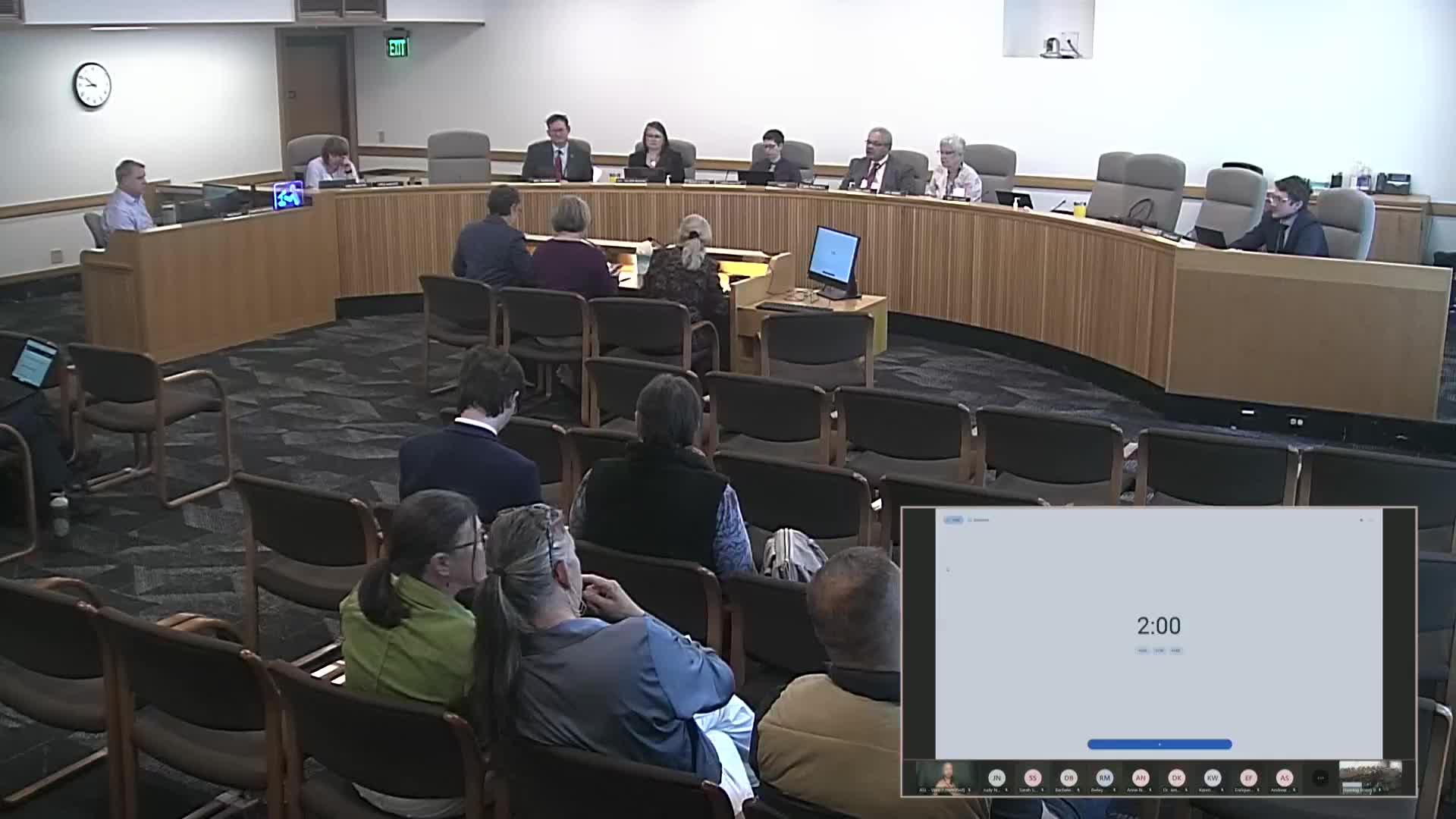
The Senate Education Committee held a public hearing on House Bill 3365 on May 7, a bill that would require that climate science and sustainability concepts be considered during the regularly scheduled review and revision of Oregon’s academic content standards.
Representative Lisa Bridal testified she worked with students and educators statewide on the concept and described the bill as using the existing standards‑review process at the Oregon Department of Education rather than mandating new curriculum. "This bill aims to create meaningful and relevant educational experiences that empower students with an understanding of climate science," she said, and she emphasized that the bill "does not require all curriculum be updated at once" nor does it "require districts to adopt or teach" specific materials.
Scientists, school board members, teachers and students offered testimony in support. Dr. Dominique Bachelet, a climate scientist, told the committee that many college students lack basic familiarity with climate science and that earlier exposure in K‑12 could prepare students for community‑focused adaptation and mitigation work. Cassidy Thompson’s testimony at the earlier informational hearing illustrated how targeted K‑12 and university supports affect students’ access to higher education.
Opponents warned that the bill’s language leaves key terms undefined and could lead to unanticipated costs. Adrienne Anderson of the Oregon School Boards Association said terms such as "core subjects" and "sufficient instruction" are not defined in the bill and that, while she supported the underlying intent, the lack of definitions could make the bill an unfunded mandate. Morgan Allen, also testifying in opposition, noted that existing standards already cover climate topics in science, health and social sciences and said the bill gives broad authority to the State Board of Education without the sideboards that accompanied other curriculum statutes.
Committee members raised questions about assessment impacts. Proponents said the intent was not to affect statewide summative assessments in English language arts and math. Representative Bridal said climate concepts could be embedded across domains and, if adopted, any new domain could be recommended for local assessment rather than automatically added to statewide summative tests.
A student speaker, Gabriel Burke, told the committee he received no formal climate education until his sophomore year and urged lawmakers to pass the bill to give future students information to confront climate‑related risks in Oregon communities.
The hearing included written testimony from students and educators and proponents pointed to other states that have enacted or piloted climate education efforts. The committee did not take a committee vote at the public hearing; proponents urged the committee to advance the bill with clarifying language to avoid unintended costs or mandates.