Get Full Government Meeting Transcripts, Videos, & Alerts Forever!
Get email alerts on the Cannabis And Psilocybin Regulation topic
No spam. Unsubscribe anytime.
Committee hears bill to require notarized owner consent for marijuana and psilocybin sites
Summary
A House committee heard testimony on Senate Bill 907, which would require applicants for marijuana and psilocybin manufacturing and grow-site licenses to provide notarized property-owner consent and the legal address of the premises; agencies would verify ownership and consent and applicants would need to renew owner permission when it expires.
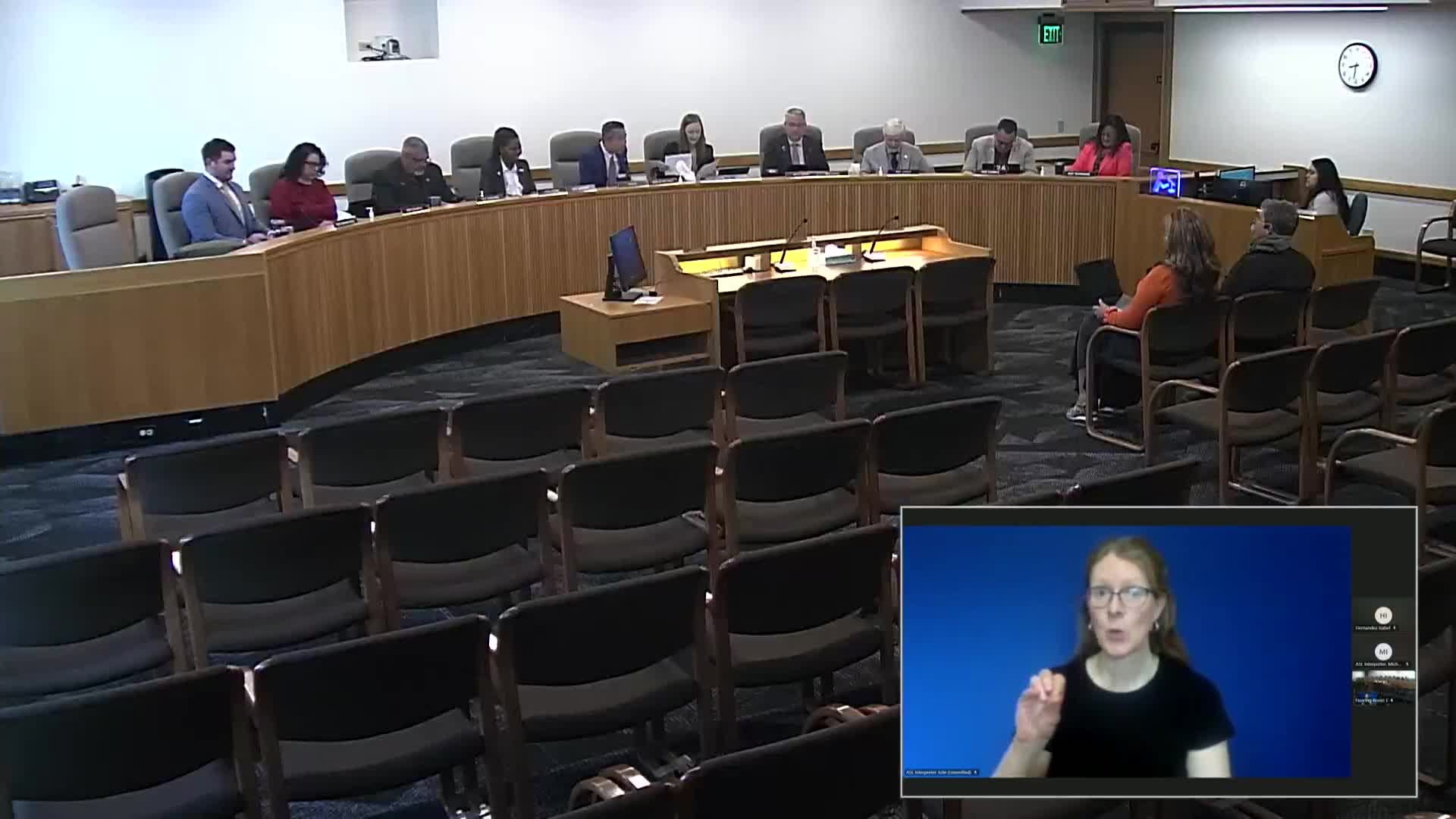
The House Committee on Economic Development, Small Business and Trade held a public hearing May 7 on Senate Bill 907, which would require applicants for psilocybin manufacturer licenses, marijuana processing and grow-site licenses, and medical marijuana grow and processing sites to provide the legal address of the premises and notarized written consent from the property owner.
Sen. Kim Thatcher, who represents Senate District 11, told the committee the bill is intended to “make sure we're connecting the dots between this activity and then when it's taking place on land or property not owned by the people undertaking the activity.” She described the notarization requirement as a response to forged signatures and property owners discovering unauthorized grows on their land.
The bill, as described in the committee summary, would require the Oregon Health Authority (OHA) and the Oregon Liquor and Cannabis Commission (OLCC) to verify the ownership information submitted with license applications and to notify property owners if the applicant is not the owner. If an owner is not the applicant, agencies would need written, notarized consent before a license could cover that location. Agencies would also require applicants to resubmit owner consent when a permission period expires.
Public testimony included extended remarks from James W. Crawford of Yamhill, who criticized current program oversight and expressed concerns about diversion and property impacts. “Stop pretending that the OMMP was intended to serve only legitimate medical marijuana patients,” Crawford said, arguing that limits and enforcement have allowed unlawful activity.
Committee members asked about the bill's practical effects. A committee staff member confirmed the operative date discussed in the hearing would be Jan. 1, 2026, and Sen. Thatcher said the intent is that existing owner permissions would need renewal within about a year so records are current. Thatcher also said the requirement does not change other existing background- or land-use checks; it adds a notarized owner-consent verification step and applies across OHA- and OLCC-regulated licenses.
No committee vote was taken. The hearing served to gather information, clarify how the notarization and renewal provisions would work, and surface enforcement and implementation questions for OHA and OLCC. If advanced, the bill would require the agencies to adopt rules to implement the verification and consent procedures.