Get Full Government Meeting Transcripts, Videos, & Alerts Forever!
Get email alerts on the Utilities Energy Rates topic
No spam. Unsubscribe anytime.
House committee hears ‘Fair Energy Act’ to require customer impact analysis, limit winter rate increases
Summary
Lawmakers and advocates pressed for a bill that would require the Oregon Public Utility Commission to consider residential economic impacts before approving rate hikes; utilities and business groups warned the changes could raise borrowing costs and reduce investment.
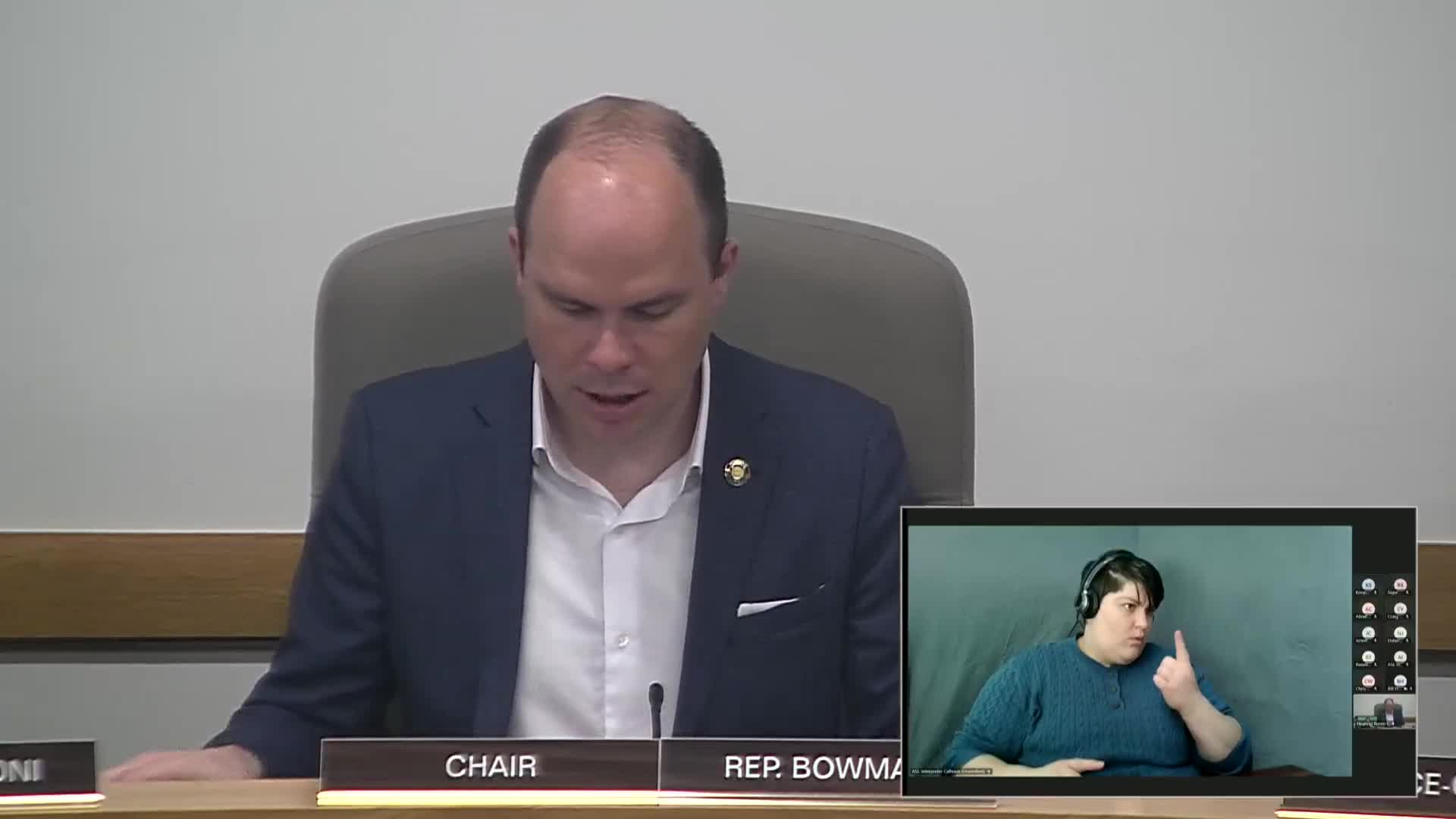
Representative Nathan Sosa (D–House District 30), the bill sponsor, opened the House Rules Committee public hearing on House Bill 3179, the Fair Energy Act, saying the measure would require the Oregon Public Utility Commission to consider the cumulative economic impact of proposed electricity and natural gas rate increases on residential customers and add new transparency and timing limits for rate changes.
"The current rate setting process is simply not working for most Oregonians," Representative Nathan Sosa said. "The dramatic price spikes and record disconnections we've seen simply are not sustainable." He described provisions that would let the PUC phase in large increases, bar residential rate increases from taking effect Nov. 1–March 31, require a customer-facing visual breakdown of cost categories, and require utilities to file an annual forecast of expected rate adjustments.
The bill drew extensive support from consumer advocates and community groups. Jennifer Hillhart, policy and program director at the Oregon Citizens Utility Board, told the committee HB 3179 "has always been about centering customers." Hillhart said the bill would require utilities to submit a customer impact analysis and to transition investor-owned utilities to multiyear rate plans that can limit the frequency and size of requests.
Jamie Pang, director of programs at the Oregon Just Transition Alliance, urged passage on equity grounds and pointed to precedents in other states. "It wasn't until 2022 when the California PUC adopted an affordability metric similar to the cumulative impact analysis proposed in the Fair Energy Act," Pang said, arguing Oregon should act now to prevent deeper hardship.
Public callers described household hardship. Carla Moberg, a Salem resident, said she and her husband live on a fixed income and that a single month's bill spiked to "$465 a month," forcing hard choices between heating, medication and food. SEIU Local 503 testified in support, with Mike Powers saying many full‑time workers the union represents remain housing‑insecure despite wage gains.
Utilities and business groups opposed or expressed concern about the bill's current form. Ryan Sigurdsson, regulatory attorney for Northwest Natural, said the company remained "opposed to HB 3179," though he said the dash‑8 amendment posted shortly before the hearing addressed some concerns. Natasha Jackson, director of state affairs for the Northwest Gas Association, warned that an 18‑month "stay out" on cost recovery could produce "less frequent but much higher rate increases" because costs would continue to accumulate.
Sharla Moffett, senior policy director for Oregon Business and Industry, told the committee that utilities face rising costs for equipment, materials and labor and that constraining rate recovery could "sacrifice safety or reliability of the system or financial instability of our utilities." Nate Fisher of Idaho Power echoed concerns that reducing a utility's ability to recover prudently incurred costs could increase borrowing costs and ultimately raise rates.
The Public Utility Commission was represented by Laura Taber, legislative affairs director, who described the PUC's statutory obligation to set "fair and reasonable" rates and said the PUC sees multiyear rate making as a significant change that could help spread cases and improve predictability.
The committee took no final action on HB 3179 during the Rules hearing; the bill remained in the public‑record phase with supporters and opponents on the record. Several lawmakers pressed for additional analysis, including how past legislative actions and regulatory requirements contribute to long‑term cost drivers. Representative Sosa and other supporters said the dash‑8 amendment reflected months of stakeholder negotiation and included an emergency clause that would make some provisions effective on passage.
The hearing record includes detailed testimony from consumer advocates, individuals reporting hardship, and utility and business representatives. The committee did not adopt the bill in Rules on May 7; members asked follow‑up questions and indicated they would continue to consider amendments and the fiscal and regulatory impacts.
Ending: Committee members signaled this will be an ongoing discussion; proponents urged the committee to move the measure forward to give the PUC new analytic tools and to limit the timing of rate increases, while utilities and business groups urged further changes to avoid unintended impacts on investment and reliability.