Get Full Government Meeting Transcripts, Videos, & Alerts Forever!
Get email alerts on the Plastic Reduction topic
No spam. Unsubscribe anytime.
Lawmakers, advocates push sweeping plastics reduction bills including statewide bag and polystyrene limits
Summary
Lawmakers and dozens of environmental groups urged the joint committee to advance an omnibus plastics reduction package that would ban or restrict single‑use plastic bags, polystyrene foodware and small plastic beverage containers, set fees to drive reuse, and fund recycling and environmental justice programs.
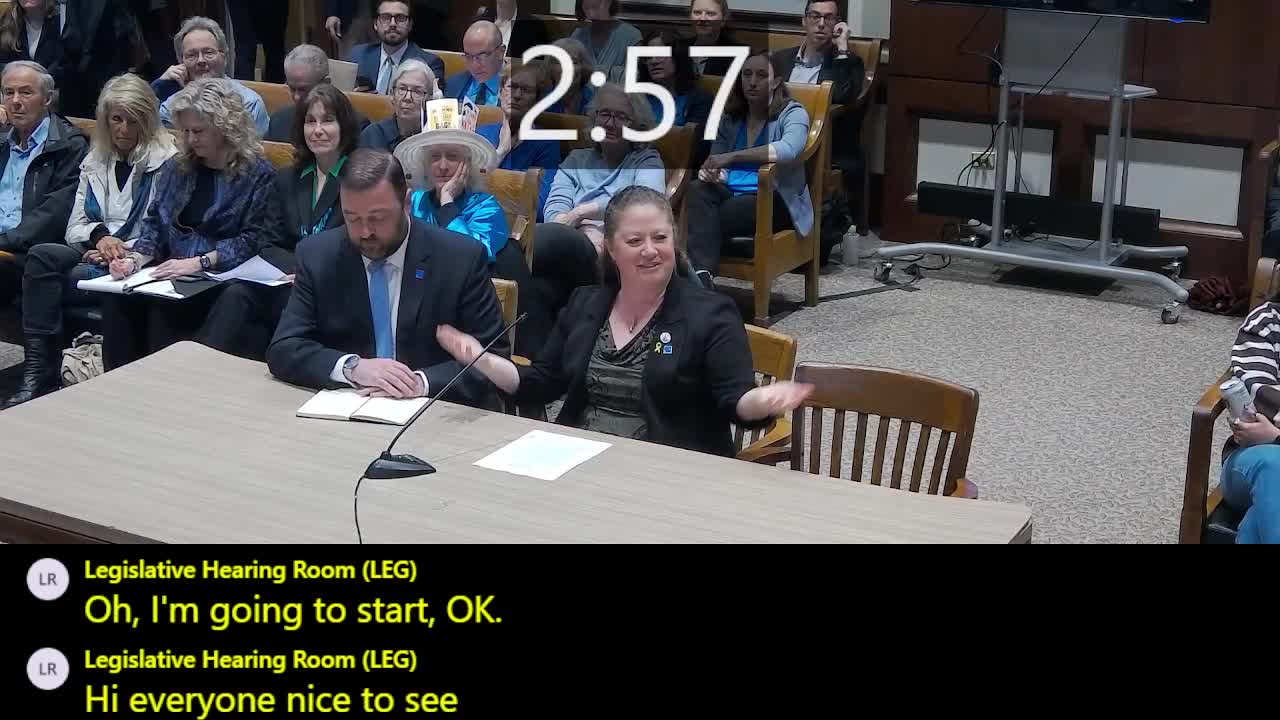
The Joint Committee on Environment and Natural Resources heard broad testimony urging passage of a suite of bills to limit single‑use plastics and create a framework for reduction and reuse across Massachusetts.
Sen. Becca Rausch, co‑sponsor of the Plastics Reduction Act, told the committee the bill would create statewide consistency on single‑use plastics, “codify Governor Healey’s executive order with regard to plastic beverage bottles,” and create an environmental protection trust fund to direct penalties and fees toward environmental‑justice populations, low‑income residents and small business transition support.
Advocates described public‑health and environmental harms tied to plastics and microplastics and urged the committee to act. Catherine Lang of the Conservation Law Foundation and Celeste Vignolia of Sierra Club Massachusetts called for statewide bag and polystyrene bans, citing climate, water‑quality and environmental justice goals. Kirsty Petchey of Just Zero and Nancy Downs of Oceana highlighted that many Massachusetts municipalities already have local bans and urged a uniform state law to avoid a patchwork of rules.
Retail and business groups offered conditional support but cautioned on implementation. Bill Rennie of the Retailers Association of Massachusetts said members are split on a statewide ban and emphasized that if the Legislature enacts a statewide standard it should preempt municipal variation; he added that if a minimum bag charge is required retailers should retain the fee revenue. John Vincent, representing theater owners, said some customers strongly prefer plastic bottled water and urged allowance for consumer choice in specific narrow cases.
Supporters said the package includes phased rollouts to help small businesses transition, rules about “skip the stuff” (providing utensils and condiments only on request), and bans on black plastics and polystyrene foodware. Several witnesses cited studies linking plastics and microplastics to health risks and pointed to state and regional precedent: “More than 160 cities and towns have passed plastic bag limits,” said Janet Dominitz of MassPIRG, and Maine and New York have enacted polystyrene and bag restrictions.
Committee members did not vote; the hearing collected testimony and questions.
Why it matters: supporters said a statewide law would reduce municipal disposal costs, cut litter, protect fisheries and beaches, and reduce exposure to microplastics while giving businesses a single rulebook. Opponents and some business groups urged careful design on fees, preemption and exemptions for small businesses and food‑service logistics.
What’s next: proponents asked the committee to report the bills favorably so that the House and Senate can reconcile differences and send a uniform measure to the floor.