Get Full Government Meeting Transcripts, Videos, & Alerts Forever!
Get email alerts on the Consumer Protection Towing topic
No spam. Unsubscribe anytime.
Insurance and safety groups back bills to limit predatory towing and strengthen consumer protections
Summary
The Massachusetts Insurance Federation, the National Insurance Crime Bureau and other witnesses supported bills that would limit excessive towing charges, require itemized receipts and protect accident victims from predatory tow practices; supporters urged committee action.
Insurance industry representatives, crash‑response advocates and a national insurance‑crime group urged the Joint Commission to back proposals aimed at curbing predatory towing and improving consumer protections after crashes.
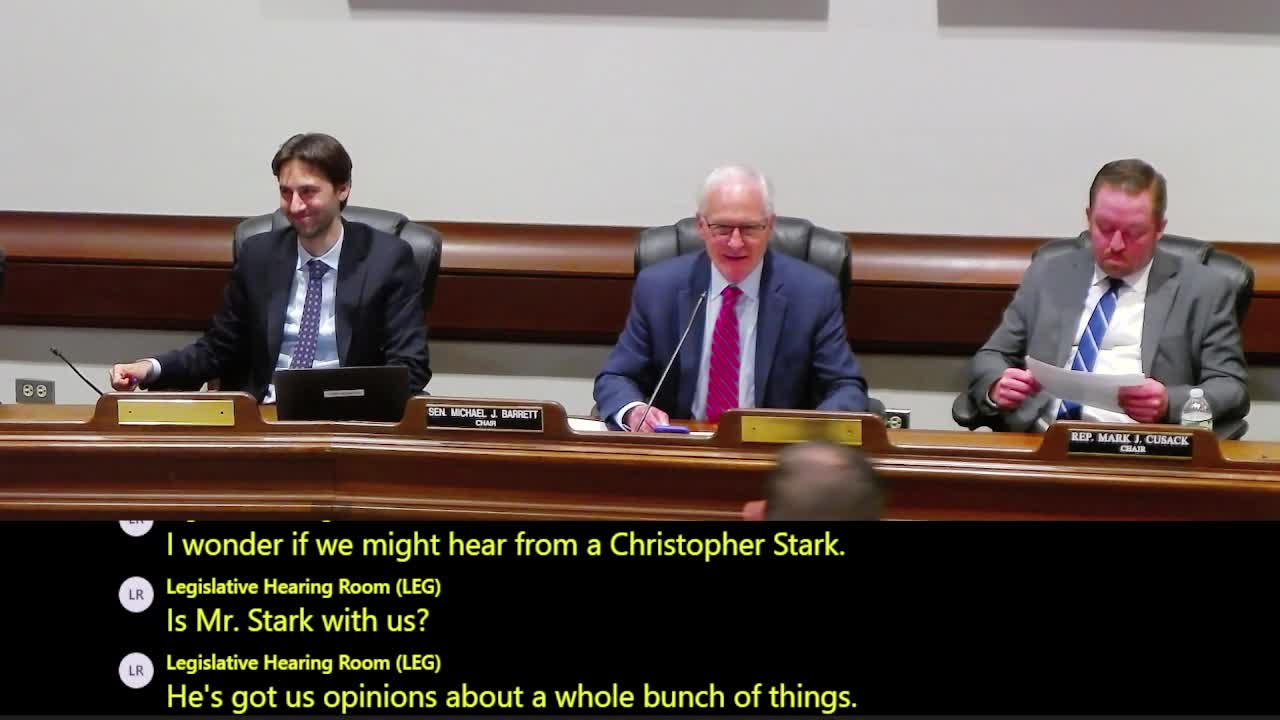
Christopher Stark, executive director of the Massachusetts Insurance Federation, told the committee he supports S.2235 (Sen. Brownsberger's towing‑protection bill) and related measures. Stark said S.2235 "is pro consumer" and cited the model language developed by the National Conference of Insurance Legislators as a basis for protections such as cost transparency and preventing motorists from being bound to contracts at the scene.
Howard Handler, senior director for the National Insurance Crime Bureau, said predatory towers sometimes use police scanner tips to arrive first at crash scenes and then charge exorbitant fees and storage costs while holding vehicles; he urged passage of H.3516 and S.2235 to require approved fee schedules for towers used by police and to limit incidental charges.
Why it matters: witnesses described situations in which motorists — including those with durable medical equipment in vehicles — faced large towing bills and alleged instances of vehicles or essential items being withheld while disputes over fees continued. Supporters said codified fee schedules and clearer consumer protections would reduce those harms.
Committee process: witnesses provided written testimony and urged lawmakers to adopt the bills or to incorporate suggested consumer protections in committee language. No committee vote was taken during the hearing.
Looking ahead: proponents asked the committee to consider additional drafting clarifications included in written testimony (for example, itemized receipts and safeguards for vehicles containing medical equipment) and to move the bills forward to prevent further consumer harms.