Get Full Government Meeting Transcripts, Videos, & Alerts Forever!
Get email alerts on the Forfeiture Reform topic
No spam. Unsubscribe anytime.
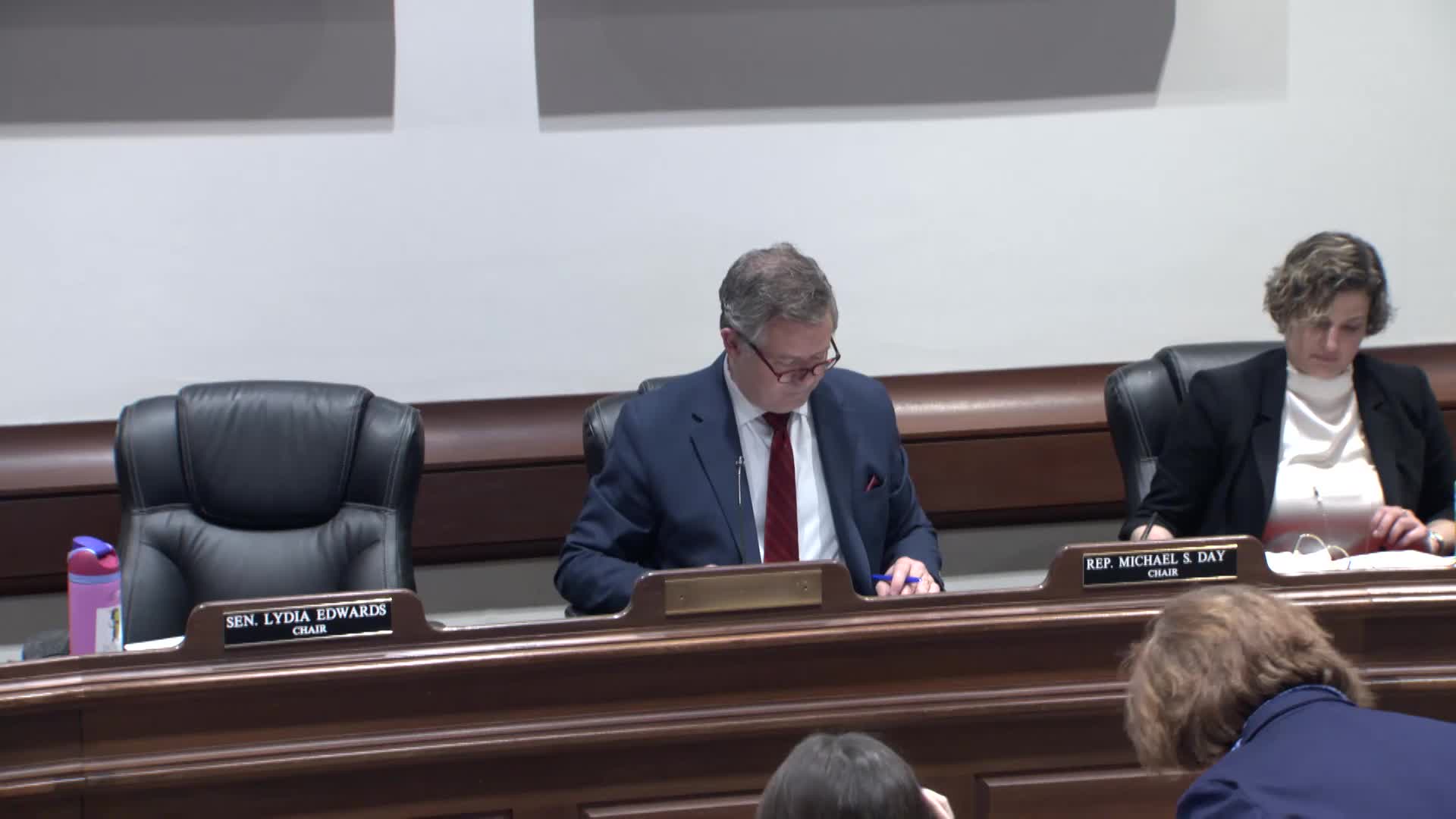
Panel presses civil forfeiture reforms: higher burdens, transparency and limits on federal bypass
Summary
Advocates, bar groups and legal services urged the committee to raise evidentiary standards, improve reporting and close an 'equitable sharing' loophole so state reforms are not circumvented by federal forfeiture procedures.
Multiple panels representing civil-rights groups, the Boston Bar Association, the Institute for Justice, district attorneys and criminal-justice advocates testified on competing civil asset forfeiture bills and urged reforms to increase transparency and due process.
Common themes included raising the burden of proof for civil forfeiture, improving public reporting on seizures and proceeds, restricting how seized funds are spent, and closing federal “equitable sharing” practices that can be used to bypass state law. "We report, we send reports to the legislature," said a sitting district attorney who described current reporting practices, while civil-rights advocates said reports often lack detail and auditability.
Why it matters: Witnesses said the current system creates incentives that could skew law enforcement priorities toward revenue-generating investigations and deprives property owners of meaningful due-process protections. Institute for Justice counsel urged the committee to include language barring local agencies from using federal cooperative channels to evade tougher state standards.
Major points from panels: - ACLU and public-interest groups urged raising the standard of proof and better reporting; they said some counties show large forfeiture collections with little public explanation of expenditures. - The Boston Bar Association and Institute for Justice recommended that proceeds be directed to the general fund (so the legislature determines appropriation) rather than automatically to local law enforcement, and suggested thresholds to exclude small-value property from forfeiture. - Several witnesses supported providing counsel to people facing forfeiture and delaying forfeiture proceedings when there is a related criminal charge.
District attorneys defended some uses of forfeiture funds — investigative work, expert witnesses, community programs and repatriation — but proponents of reform asked the legislature to clarify allowable spending and increase oversight.
Committee members heard a range of draft bills (including S 1049, H 18-51, H 17-74, and H 19-90) and asked technical questions about fee structures, burdens of proof and reporting specifics. No bill vote was taken at the hearing; advocates asked the committee to produce a reform bill that incorporates transparency, a raised burden and an equitable-sharing limitation.