Get Full Government Meeting Transcripts, Videos, & Alerts Forever!
Get email alerts on the Workplace Safety Transit topic
No spam. Unsubscribe anytime.
Committee hears pleas to expand assault protections for commuter-rail and transit workers
Summary
Workers and union leaders told the Joint Committee on the Judiciary that commuter-rail conductors and other transit employees face rising assaults and lack the same legal protections as MBTA employees; sponsors requested a favorable report on House Bill 18-77.
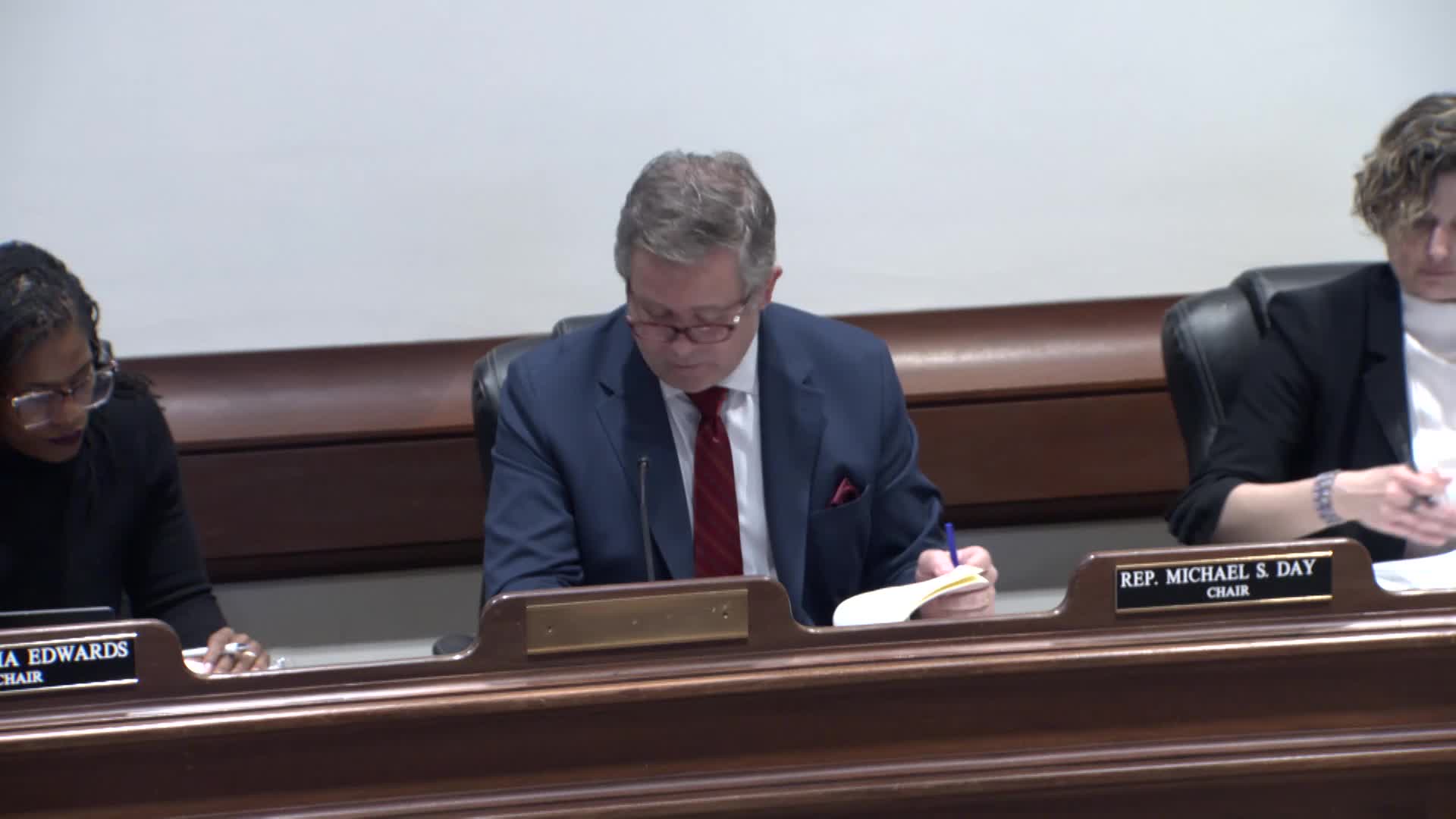
The Joint Committee on the Judiciary heard testimony urging passage of House Bill 18-77 to make assault and battery against commuter-rail and contractor transit workers a distinct, elevated offense and extend legal protections now available to MBTA employees.
Supporters told the committee that assaults on transit workers are rising and that private-contractor employees performing public transit duties lack statutory parity with MBTA employees. “629 total assaults. 629 too many,” said Bill Baradino, vice president and assistant business agent of Boston Carmen’s Union Local 589, citing 2024 MBTA figures that included verbal assaults, weapon incidents and physical attacks.
Why it matters: Proponents said the bill would close a gap in state law that leaves contractors’ frontline workers — conductors, assistant conductors and on-board staff — vulnerable and without the same statutory deterrents and penalties as MBTA employees. They warned that the lack of parity undermines safety, discourages people from taking transit jobs and harms service reliability.
Union and company witnesses described incidents in which workers were spat on, threatened with knives and firearms, stabbed and physically injured while on duty. “I was mortified for someone to spit at me just for doing my job,” said a conductor who testified about being spat on and threatened; another witness described being stabbed while intervening on a train and later requiring shoulder surgery. Cole Zub, a conductor and SMART-TD Local 898 chairperson, said some contractors’ employees are excluded from existing transit-worker protections because they are employed by private contractors rather than the MBTA.
Keolis operational leaders and contractor representatives asked the committee for legal tools they said would help protect employees. Adela Shazray, introduced as CEO of Keolis’ commuter-rail operating partner, said the workforce ‘‘does not have the same protections against assault and battery as other previous transit vehicles’’ and asked the committee to provide equal legal protection.
Committee members asked for data and noted prior favorable movement on related bills. Supporters urged the committee to account for reporting, training and enforcement costs and to preserve dispatch and police response protocols already in place.
The testimony included: union representatives urging stronger penalties and better reporting; several conductors describing specific assaults and their physical and emotional impacts; company safety officers describing operational reporting mechanisms; and calls for the bill to cover contractor employees who do the same public-facing work as MBTA staff.
The hearing record included written testimony and union task-force materials documenting rising assault counts and proposed de-escalation training. No vote occurred during the hearing; sponsors asked the committee for a favorable report to advance the bill.
If advanced, the bill would be considered alongside an identified Senate filing (S.D. 2665) that proponents said tracks related protections.