Get Full Government Meeting Transcripts, Videos, & Alerts Forever!
Get email alerts on the Financial Forecast topic
No spam. Unsubscribe anytime.
Lakota leadership previews five-year forecast; proposes reserve accounts and optional bus-fleet purchase
Summary
District staff walked the board through a five-year forecast template and proposed reserve accounts, including a possible strategy to purchase a bus fleet to gain contract leverage and create a multi-year replacement reserve.
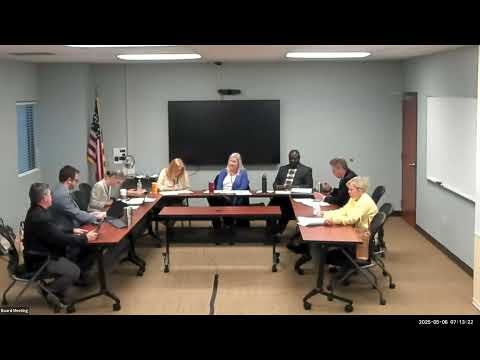
District finance staff presented a five-year forecast and several reserve-account scenarios to Lakota Board of Education members on May 6 and discussed options should state legislation impose a cap on reserves.
The staff presentation described a theoretical structure of reserve “buckets” to smooth capital and operating needs over multiple years. Staff invited the board to consider reserves for items such as transportation fleet replacement, severance payouts, curriculum rotation purchases, and other targeted accounts rather than maintaining a single large general-fund balance.
A central proposal in the discussion was whether the district should consider acquiring the physical school-bus fleet currently provided under contract (the meeting referenced the contractor “Peterman”) and use a reserve to purchase buses over a multi-year rotation. Staff presented an illustrative model that assumed about 200 routes, an estimated $125,000 cost per new bus, a 12-year lifecycle, and an approximate $10,000 salvage value, with routine insurance and maintenance assumptions. Under those assumptions staff estimated per-bus ownership could cost roughly 85% of the contract route cost and that buying a fleet and rotating replacements could reduce the district’s transportation contract expense over time. Staff noted that purchasing a fleet would require further appraisal and negotiation with any incumbent contractor if buses in a contractor’s yard were to be purchased.
Staff also reviewed a proposed severance reserve sized to track with contract language (roughly 0.6 of wages in a typical year) and showed how one-time transfers into reserves could smooth spikes related to retirements. The presentation included a “curriculum rotation” reserve as a PI-eligible target and noted that PI fund balances have not kept pace with rising costs; staff said the PI fund receives roughly $3 million per year and that some PI revenue sources (tax-levy collection rates) have rolled back over time.
State legislative risk was discussed. Staff said recent proposals—identified in the presentation as Sub. House Bill 96 (also mentioned earlier alongside “Sub House Bill 9” in speech)—could impose a cap (staff used 30% in an illustration) on reserve balances and that such legislation, if enacted, could require changes to how the district presents and holds reserves. Staff showed an example that applied a 30% cap and illustrated a roughly $34.2 million amount above the hypothetical cap in the model; they described options including doing nothing (which could trigger a budget commission review and millage reduction in the staff example), or reconfiguring reserves by fund and purpose.
Board members asked operational questions about bus ownership timelines, maintenance responsibilities and contract mechanics. Staff said a purchase would likely require an appraisal and that the district would need to negotiate terms with a contractor if buying existing buses; staff estimated a typical procurement timeframe of about 180 days for bus purchases and noted ongoing work to refine cost assumptions.
On timing and next steps, staff said they would finalize materials for the finance committee and planned to present a formal recommendation to the board. No formal vote to create reserves or purchase vehicles was taken at the May 6 meeting; the board asked staff to return with workpapers and a formal recommendation.
Ending: Staff will refine the fleet and reserve models and present a formal recommendation to the finance committee and the full board; no reserve transfers or vehicle purchases were approved on May 6.