Get Full Government Meeting Transcripts, Videos, & Alerts Forever!
Get email alerts on the Municipal Finance topic
No spam. Unsubscribe anytime.
City reports strong first‑quarter sales‑tax receipts; staff recommends conservative use of one‑time gains
Summary
Finance staff told the council May 5 that Ellensburg’s preliminary first‑quarter 2025 reports show sales taxes and certain one‑time construction‑related receipts above budget; staff recommended treating some gains as one‑time and avoiding ongoing spending commitments.
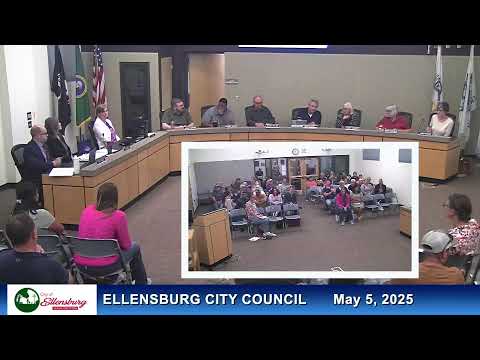
Finance Director Jerrika Pascoe presented the city’s preliminary first‑quarter 2025 financial status and investment reports on May 5 and recommended the council accept the reports as presented.
Pascoe said general‑fund revenues are projected to finish above budget while general‑fund expenditures are expected to finish below budget in 2025. Key drivers include a significant, but likely volatile, increase in sales‑tax receipts tied to construction and to professional, scientific and technical services; Pascoe said construction sales tax was up roughly 51% year‑over‑year for the quarter and represented a substantial portion of the unexpected gain. Overall governmental fund tax revenues were projected to exceed budget by about 9.4 percent at the time of reporting.
Utility tax activity was down compared with first‑quarter 2024; staff said part of the 2024 numbers were inflated due to a utility‑billing software transition and that utility numbers should level off through the year. The city’s invested funds totaled approximately $89.3 million at quarter end, with about $67 million in the Washington State Local Government Investment Pool (LGIP) earning roughly 4.4 percent; March interest income was about $308,000.
Pascoe cautioned that some of the sales‑tax increase appears to be timing‑driven (one‑time receipts tied to large construction purchases) and recommended the council treat the gains conservatively and avoid recurring spending commitments based on the first quarter’s numbers. The council voted to accept the preliminary reports as presented.