Get Full Government Meeting Transcripts, Videos, & Alerts Forever!
Get email alerts on the Short Term Rentals topic
No spam. Unsubscribe anytime.
Planning board discusses short-term rental fee posting and says grandfathering follows RSA 674:19
Summary
Board members said public notice of proposed short-term rental fees will go to the select board and discussed how legally existing short-term rentals would be "grandfathered" under state law, citing RSA 674:19 and advising operators to document preexisting use if they claim exemption.
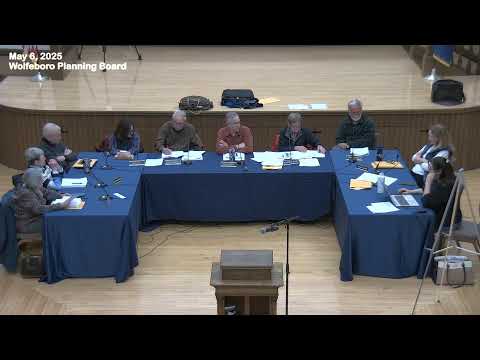
The chair told the Planning Board he will present proposed short-term rental fees at the upcoming Select Board meeting. Planning Board members had no substantive edits to the fee proposal at the meeting, but they used the new-business slot to clarify how the town should handle claims that a short-term rental is a preexisting, legally permitted use.
Roger (Planning Board member) told the board that grandfathering is governed by state law and not by a local warrant article, citing the state statute: "Grandfathering is governed by state statute. It's RSA 674:19." Board members said that operators who believe their rentals are legally existing prior to the ordinance should proactively document that status with planning staff, for example by showing historical room or meals-tax receipts, booking listings or other contemporaneous evidence.
Planning staff said they are unlikely to audit every rental proactively but that, when the town receives a complaint about an alleged unpermitted short-term rental, the operator will be asked to demonstrate preexisting lawful status. The board recommended that the Select Board and planning staff include a public notice explaining how an operator may document grandfathered status so owners know how to proceed if they believe they are exempt.
No fees were adopted by the Planning Board; the chair will present the proposed fee schedule to the Select Board and the planning department will draft guidance on how operators can show preexisting lawful use.