Get Full Government Meeting Transcripts, Videos, & Alerts Forever!
Get email alerts on the Fleet Management topic
No spam. Unsubscribe anytime.
Norwalk Parking Authority tests fleet strategy after year-to-date spike in vehicle repairs
Summary
Commissioners pressed staff for a fleet appraisal after vehicle repair costs pushed the parking authority over budget; staff agreed to produce cost-per-mile and replacement timing analyses and to price leasing options.
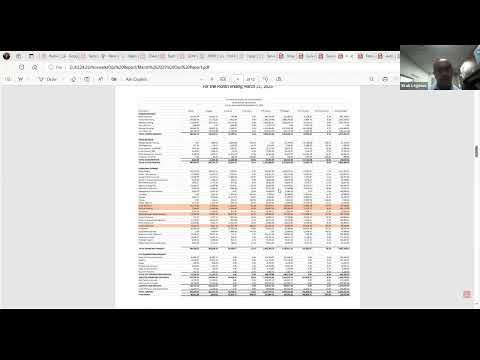
At its April meeting, the Norwalk Parking Authority heard extended discussion about vehicle repair costs after staff reported a year‑to‑date overspend in the vehicle repair line.
The board pressed staff to produce a short-term and multi-year appraisal of the fleet that will show per‑vehicle repair history, cost per mile and recommended replacement timing. Commissioners asked staff to include lease-versus-purchase pricing and to identify which vehicles should be taken offline first.
The authority’s operations presenter, Rocky, told the board that a major recent invoice was for a transmission replacement in an enforcement truck and that other repairs affected maintenance trucks. Rocky said the age and idle time on some vehicles raised repair costs and that the authority had budgeted for replacement of two enforcement vehicles to reduce future repair expense.
Commissioner Peter said the total repair spending “really just seems like a lot” given an eight‑vehicle fleet and asked staff to explain whether leasing had been considered. Louie offered to run a leasing price comparison, saying the authority’s larger statewide fleet generally purchases vehicles but that staff could “price it out” for the parking fleet.
Vice Chairman Matt asked staff to confirm the capital and repair budgets. Rocky said the board previously approved $160,000 for vehicle purchases and $40,000 for vehicle repair expenses for the coming year. The vice chair and others said that, given the year‑to‑date repair spending, the board needed an updated forecast and a vehicle‑level breakdown before the next meeting.
Staff committed to: (1) a vehicle appraisal showing age, mileage and cost per mile for each unit; (2) an analysis of which vehicles are “most vulnerable” and should be retired first; and (3) a leasing versus purchase cost comparison and a recommended replacement schedule. Commissioners emphasized they want that information before the next budget decisions.
The discussion focused on planning and direction; no formal motion to change procurement policy was made.