Get Full Government Meeting Transcripts, Videos, & Alerts Forever!
Get email alerts on the Demolition Delay Ordinance topic
No spam. Unsubscribe anytime.
Norwalk Historical Commission weighs changes to Chapter 55 demolition-delay rules, plans small drafting group
Summary
Members debated a proposal to revise Chapter 55 (the demolition‑delay ordinance), discussed a proposed separate review committee, and agreed to form a small subcommittee to draft revisions and consult planning and legal staff.
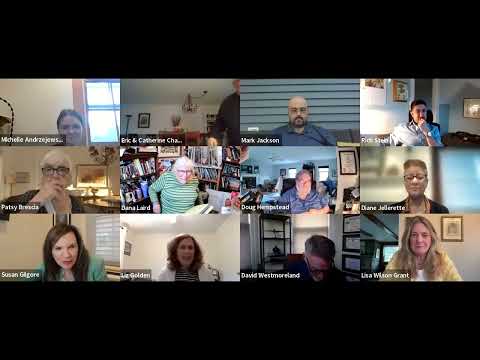
Norwalk — The Historical Commission discussed proposed revisions to Chapter 55, the city’s demolition‑delay ordinance, and agreed to form a small subcommittee to work with staff on redrafting language.
The commission’s discussion focused on clarifying roles for applicants, objectors and the commission, and on a previously proposed separate review committee that some members said could duplicate or reduce the commission’s authority. Michelle (staff member) said she had “spoken with our director of planning and zoning, Steve Kleppin,” and described the subcommittee as a practical way to “boil everybody’s ideas into one ordinance” before wider review.
Why it matters: the demolition‑delay ordinance dictates how and when demolition requests are reviewed and whether a temporary delay can be imposed to consider alternatives. Changes to Chapter 55 would affect property owners, the commission, planning staff and neighbors when demolition is proposed.
Commissioners and attendees raised two central concerns: (1) the potential conflict if the Historical Commission both objects to demolition and then serves as the decisionmaker, and (2) the need for architectural and preservation expertise in reviews. Michelle said a draft of a separate review committee had been discussed with corporation counsel and the ordinance committee, but that the idea raised concerns among commission members about duplication of work and diminished commission authority: “when that was presented to the Historical Commission, the thoughts were that it was kind of duplicative work and kind of taking away some of the authority of the Historical Commission,” she said.
Former commissioner David (citizen/former commission member) urged the commission to ensure review relies on preservation expertise rather than zoning experience. “You need people who have expertise in historic preservation and architectural history to judge things,” he said, and later summarized the commission’s legal power: “the power the commission has is … implementing a hundred and 80 day delay.” He urged recruiting local experts and noted that outside reviewers can be useful but raise funding and local‑context concerns.
Practical next steps: Michelle said she needs two commission volunteers to work with her. Commissioners Eric and Mark indicated interest; staff captured those volunteers and said the subcommittee would meet by Zoom and include legal and planning staff as needed. Michelle also warned the group to avoid creating a quorum unintentionally if more than two members join subcommittee discussions.
No formal ordinance vote was taken at the meeting. Commissioners described the subcommittee as a drafting and outreach step; any final ordinance language would return to the full commission for public notice and formal action.
Community context: speakers noted that Towns vary in how they implement demolition delay measures; Preservation Connecticut resources were referenced as a comparative source. Several speakers emphasized Norwalk currently lacks local historic districts, which limits the commission’s authority under state law.
Ending: Staff said it would circulate the existing ordinance text and schedule the subcommittee meeting in the coming week so members could begin drafting revisions and identify any external expertise or funding needs.