Get Full Government Meeting Transcripts, Videos, & Alerts Forever!
Yale historian David W. Blight: Civil War memory shifted from emancipation to reunion
Summary
At a University of Montana lecture, David W. Blight said U.S. public memory of the Civil War was reshaped in the late 19th and early 20th centuries by reconciliationist narratives and the Lost Cause, which together marginalized emancipation and helped normalize Jim Crow-era attitudes.
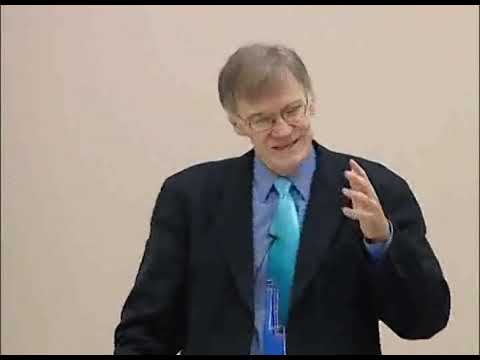
David W. Blight, professor of history at Yale University, told a University of Montana audience that U.S. public memory of the Civil War shifted over the late 19th and early 20th centuries from an emphasis on emancipation and Reconstruction to a reconciliationist narrative that minimized slavery as the war’s cause.
Blight outlined three dominant strains of Civil War memory he identified in his research: "reconciliationist memory," which elevated shared soldierly sacrifice; "white supremacist memory," which took forms including terror and later Jim Crow ideology; and "emancipationist memory," rooted in African American political memory and the politics of Reconstruction. "We tend to know those collective memories when we meet them," Blight said, arguing that ritual,…
Already have an account? Log in
Subscribe to keep reading
Unlock the rest of this article — and every article on Citizen Portal.
- Unlimited articles
- AI-powered breakdowns of topics, speakers, decisions, and budgets
- Instant alerts when your location has a new meeting
- Follow topics and more locations
- 1,000 AI Insights / month, plus AI Chat