Get Full Government Meeting Transcripts, Videos, & Alerts Forever!
Get email alerts on the Metis History Language Preservation topic
No spam. Unsubscribe anytime.
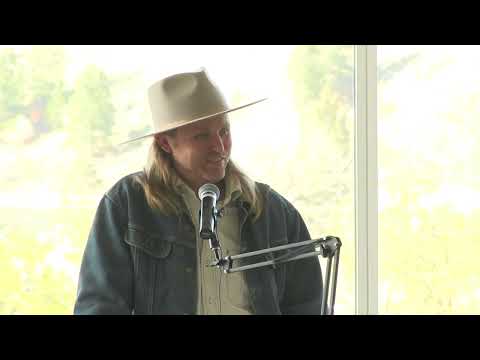
Chris Latray reads from Becoming Little Shell, urges Metis language and history preservation in Missoula
Summary
Author and Montana state poet laureate Chris Latray read from his memoir Becoming Little Shell at the Missoula Public Library, recounted elders' stories about Metis history and boarding schools, and called for preservation of Anishinaabemowin and community memory.
At an event at the Missoula Public Library, author and Montana state poet laureate Chris Latray read from his memoir Becoming Little Shell, recounted stories from Metis elders and called for efforts to preserve Metis language and history.
The program, introduced by Celia, the library's community engagement specialist, and Mark Sundin, who teaches environmental writing at the University of Montana, opened with fiddle music by Sapphire Jay and proceeded to a reading in which Latray quoted and reflected on conversations with Al Wiseman, an elder from Choteau who keeps an old Metis cemetery and recounts the community's history.
Latray said the elder "keeps the cemetery" and described a scene in which Wiseman points out a lookout on a hillside used historically to warn the community. Latray also read scenes about families who traveled in Red River carts and, referencing the boarding-school era, quoted Wiseman on why older people often did not teach Indigenous languages to children: "If children don't know it, they can't be punished for knowing it." He used those narratives to explain how cultural transmission was interrupted and why reclaiming identity matters.
The reading moved beyond family history into regional and national context. Latray described historical removals and deportations of people the U.S. identified as Canadian Indians, referencing what he called the "Cree Deportation Act of 1896" and saying the U.S. allocated $5,000 for the army at that time to round up people living off reservations. He also summarized territorial changes discussed in his talk: how the Pembina Chippewa/Turtle Mountain Chippewa territory and the Little Shell lineage were affected by 19th- and early-20th-century treaties and agreements that drastically reduced Indigenous landholdings. Latray said the community's federal recognition effort culminated in February 2019.
Latray framed preservation work as urgent: "The preservation of indigenous languages is probably the most important thing I will work on for the rest of my life," he said, adding that "the secrets for how we've survived for thousands and thousands and thousands of years lives in the language, and we have to preserve that." He linked that work to broader cultural recovery including reclaiming family histories and cemeteries.
During a question-and-answer session, Latray and fiddler Sapphire Jay addressed audience concerns about identity and belonging. Jay said, "There is no right or wrong way to be indigenous," and encouraged learning language, songs and ceremony as ways to connect. Latray discussed lateral violence and internal community disputes about who counts as Indigenous and advised younger people to pursue language, ceremony and community ties.
The program also touched on arts funding and public programs: Latray described uncertainty at the state arts council after cuts to federal humanities grants, saying organizers were finding private support to continue scheduled programs. The evening closed with an announcement that a reception and book-signing would follow at the nearby bookstore Fact and Fiction.
This event combined a public reading, music and audience conversation; it did not produce formal actions or votes.