Get Full Government Meeting Transcripts, Videos, & Alerts Forever!
Get email alerts on the Member Well Being topic
No spam. Unsubscribe anytime.
Bar Association task force reports progress on member well-being, plans final report for March 2026
Summary
The Bar Association’s Member Well-Being Task Force gave an interim report to the Board of Governors outlining survey work, dedicated work groups on suicide and addiction, and a timeline that leaders say keeps the final report on track for March 2026.
The Bar Association’s Member Well-Being Task Force told the Board of Governors on Thursday that it is on schedule to deliver a final report in March 2026 after completing an initial member survey and a series of focused work-group “sprints.”
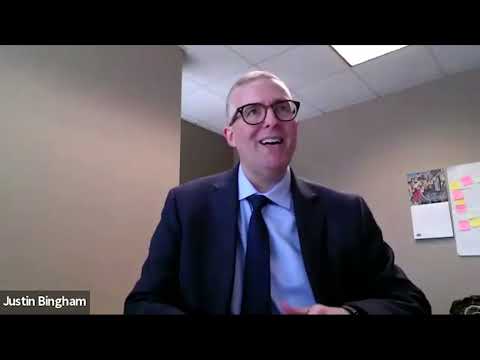
The task force, chartered in January 2024 after the board adopted strategic priorities in November 2023, presented interim findings and described ongoing work including mini surveys, a literature review and outreach to law students, private-practice attorneys, judges and public-interest lawyers. "If it wasn't for the actions of this board, the well-being task force would not exist," said Justin Bingham, chair of the task force and city prosecutor for the City of Spokane, thanking the Board of Governors for creating the effort.
Task force leaders said the member survey is central to their work and that analysis is underway. Dan Crystal, member wellness program manager, said the survey was designed to provide “quantified information to the membership about the state of play in attorney mental health in Washington.” Crystal said the task force will present some preliminary survey results at a free continuing legal education session during the Bar’s Well-Being Week in Law next week.
The task force is structured around short-term work groups. Crystal described teams that focused on law students and new members, private practice, government and public interest, and a cross-cutting suicide and addiction work group. Emily Arneson, who chairs the suicide and addiction group and serves as a governor, said that group completed a mini survey and a literature review and has had “very fruitful conversations” that will feed into the final report.
Members described an inclusive roster that combines sitting judges, large- and mid‑firm attorneys, solo/small-firm representatives and public members with clinical experience. Bingham named Justice Raquel Montoya-Lewis, former governor Cal Shekhetty, Darcel Lobo of the Solo and Small Practice section, Melissa Verry of Perkins Coie, Judge Michael Finkel of King County District Court, and Susan Lee from Gonzaga University among those engaged on the task force.
Staff support from the Bar’s advancement and wellness teams was repeatedly credited as central to progress. "We could not do this without them," Bingham said of staff members Dan Crystal, Adley Ruiz and Kevin Placci, whom members described as instrumental in scheduling, research and coordination. The task force also reported participating in a statewide wellness summit in Oregon in November 2024 as part of its learning and outreach.
Board members asked whether the timeline remains feasible. Bingham and other presenters said the effort is “on time and on target” and that the task force is following a reverse‑engineered schedule to meet the March 2026 deadline. No formal vote or board action was taken during the presentation; the item was an informational interim report.
Next steps described by the task force include finishing the current round of work-group sprints, completing the survey analysis, drafting chapter sections for the final report and convening a final synthesis sprint before submitting the full report to the Board of Governors in March 2026. Leaders urged continued member feedback and said additional outreach and mini surveys will continue to refine recommendations.