Get Full Government Meeting Transcripts, Videos, & Alerts Forever!
Get email alerts on the Charter Review Timeline topic
No spam. Unsubscribe anytime.
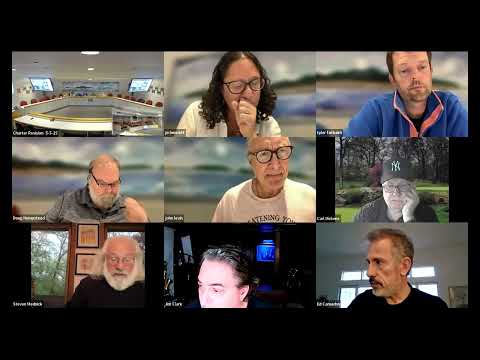
Charter Revision Commission votes to change mandatory review from 5 years to 10 years
Summary
The Norwalk Charter Vision Commission voted to require mandatory periodic charter review every 10 years instead of every five, after commissioners debated trade-offs between public engagement, cost, and constitutional stability.
The Charter Vision Commission voted May 5 to change the charter’s required periodic review from every five years to every 10 years, directing staff to set the next mandatory review no later than September 2035.
Commissioners diverged over the trade-offs. Supporters said a 10-year interval preserves the charter’s status as a stable, foundational document; opponents said more frequent reviews create regular public opportunities to revisit governance rules.
The vote followed an extended exchange between commissioners and staff. Commissioner John Levin argued for preserving more frequent review to give residents a regular opportunity to reassess local rules. Staff member Steve said he advised previous commissions and favored the 10-year interval as a balance between stability and cost, noting a charter revision commission is an expensive process. During the roll-call portion of the meeting several commissioners stated succinctly their positions during the vote: “I’m in favor,” was recorded from multiple members. The motion to replace the five-year requirement with a 10-year cycle was moved and carried by the commission.
Why it matters: mandatory charter reviews set the schedule for a communitywide process that can change how city government works. Commissioners cited both civic-engagement goals and budgetary limits: more frequent mandatory reviews could increase civic outreach costs but also force regular public debate about foundational rules.
What’s next: Commissioners said the council can still convene a charter commission earlier if an urgent issue arises. The Commission will publish the revised schedule and include the change in the materials that go to public hearing.
Ending note: The Commission set the procedural timeline to finish remaining edits and to transmit the revised draft for public hearing dates already discussed at the meeting.