Get Full Government Meeting Transcripts, Videos, & Alerts Forever!
Get email alerts on the Puberty Curriculum topic
No spam. Unsubscribe anytime.
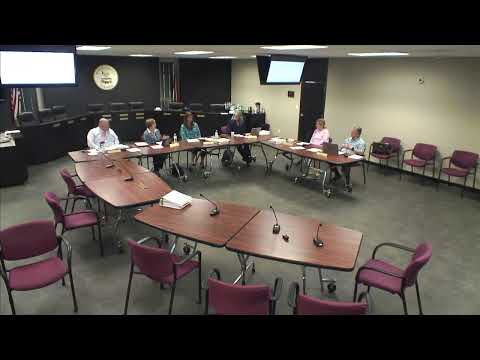
Moore County Board reviews updated puberty and reproductive‑health lessons; parental consent, scripts and question boxes underscored
Summary
Moore County Schools staff presented revised puberty and reproductive‑health lessons May 5 that align with 2024 State Board of Education standards and state guidance; the district said lessons will require explicit parental consent and will be posted online for parent review.
Moore County Schools curriculum staff presented an update May 5 to the district’s puberty and reproductive‑health lessons to align with the State Board of Education’s 2024 health and physical education standards and to incorporate the state’s unpacking guidance.
District staff said the revisions are modest and chiefly refine lesson scripts, remove outdated phrasing, add materials on human trafficking in seventh and eighth grade, and update terminology from “sexually transmitted diseases” to “sexually transmitted infections,” per state guidance. Donna (Curriculum staff) told the board that the district’s revised lessons will begin in the 2026 school year and that most local changes were tweaks to existing lessons rather than wholesale rewrites.
Parent access and consent: Staff described procedural changes designed to increase transparency and parental control. The district will: provide front‑facing lesson plans, slides and scripts on school and district websites so parents can preview materials without visiting the school; require a signed parental yes/no consent letter before any student attends puberty instruction; make phone calls to parents who do not return consent letters and assign an alternative assignment if consent cannot be verified; and require two adults in classrooms where puberty instruction is presented, with boys and girls taught separately.
Question management and content limits: Teachers will “stay on script” and use a question box for student queries; staff said many questions that fall outside scripted materials will be routed to a trusted adult or the student’s parent. Donna said the district recommends materials from state crosswalks and unpacking documents and uses modified resources developed previously in partnership with ECU.
Why it matters: The curriculum touches sensitive topics and draws high parental interest. Board liaisons who reviewed the materials emphasized clarity in script wording and seriousness of presentation for older students; board members praised the district’s approach to parental access and the addition of human‑trafficking content.
Next steps: Staff asked the board to endorse the updated curriculum so the materials can be posted publicly over the summer and implemented in classrooms for the 2026 school year. Board liaisons recommended the item be placed on the May 12 consent/endorsement agenda for formal action.