Get Full Government Meeting Transcripts, Videos, & Alerts Forever!
Get email alerts on the Neighborhood Redevelopment topic
No spam. Unsubscribe anytime.
Draft RFI for North Second Street redevelopment moves forward; nearby business urges traffic, accessibility safeguards
Summary
City staff reviewed a draft request for interest (RFI) for North Second Street redevelopment and outlined a timeline that includes neighborhood public input; a nearby business owner told the committee the intersection already poses traffic and accessibility challenges for clients with disabilities.
City staff presented a draft Request for Interest (RFI) for redevelopment of properties on North Second Street and said the process will include neighborhood public input before the city issues a formal solicitation.
Planner Walter Lynch described the schedule: neighborhood public meetings in May or June, a virtual comment option, and a planned solicitation in August. The draft RFI seeks a developer partner to deliver housing with “gentle density” — more than single‑family but less than a sixplex — and contemplates retaining a 30‑foot easement for utilities while closing a block of Second Street to vehicular traffic and keeping it as a bicycle/pedestrian connection.
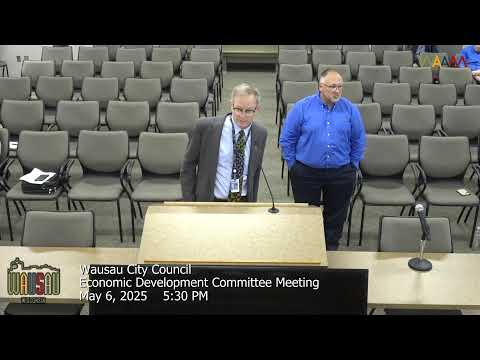
At the start of the meeting, local business owner Becky Hebda, who runs a workforce support business at 1602 North Second, told the committee she lives and works one house from the proposed site and asked the city to account for current traffic and accessibility needs. “We help people who have disabilities find work in our community,” Hebda said. “We have people coming who are hearing impaired … coming in wheelchairs … riding their bikes, getting off of buses.” She said the intersection at Bridal and North Second is already “very, very difficult” for vehicles and for clients who need accessible access, and she asked the city to include businesses in outreach.
Alder Killian and other committee members urged that public participation be meaningful and asked whether scoring in the RFI could account for developer responsiveness to neighborhood feedback. Lynch said public input would be documented and could inform guidelines (for example, maximum height) and that staff could provide raw feedback to respondents on request; he agreed to look into whether public‑participation responses could be used in scoring.
Alder Gesselman emphasized the neighborhood’s existing character and suggested that single‑family housing and green space be prioritized. Lynch said the RFI remains flexible on housing and commercial mixes so the city can consider a variety of proposals that respect neighborhood context.
Staff said they will invite nearby businesses to the outreach meetings and will return to the committee with a final RFI for approval after public input.