Get Full Government Meeting Transcripts, Videos, & Alerts Forever!
Get email alerts on the Workers Rights topic
No spam. Unsubscribe anytime.
Workers, lawmakers tell committee short BOLI deadlines can deprive employees of full five‑year statute of limitations
Summary
Workers and lawmakers told the Senate Committee on Labor and Business on May 6 that filing a complaint with the Bureau of Labor and Industries can trigger a 90‑day filing window that effectively trims Oregon's five‑year civil statute of limitations, and proponents urged committee support for HB 2957A to fix that disparity.
House Bill 2957A drew emotional testimony on May 6 as workers and lawmakers told the Senate Committee on Labor and Business that the current interaction between administrative BOLI processes and civil statute‑of‑limitations rules can penalize workers who first seek help from the agency.
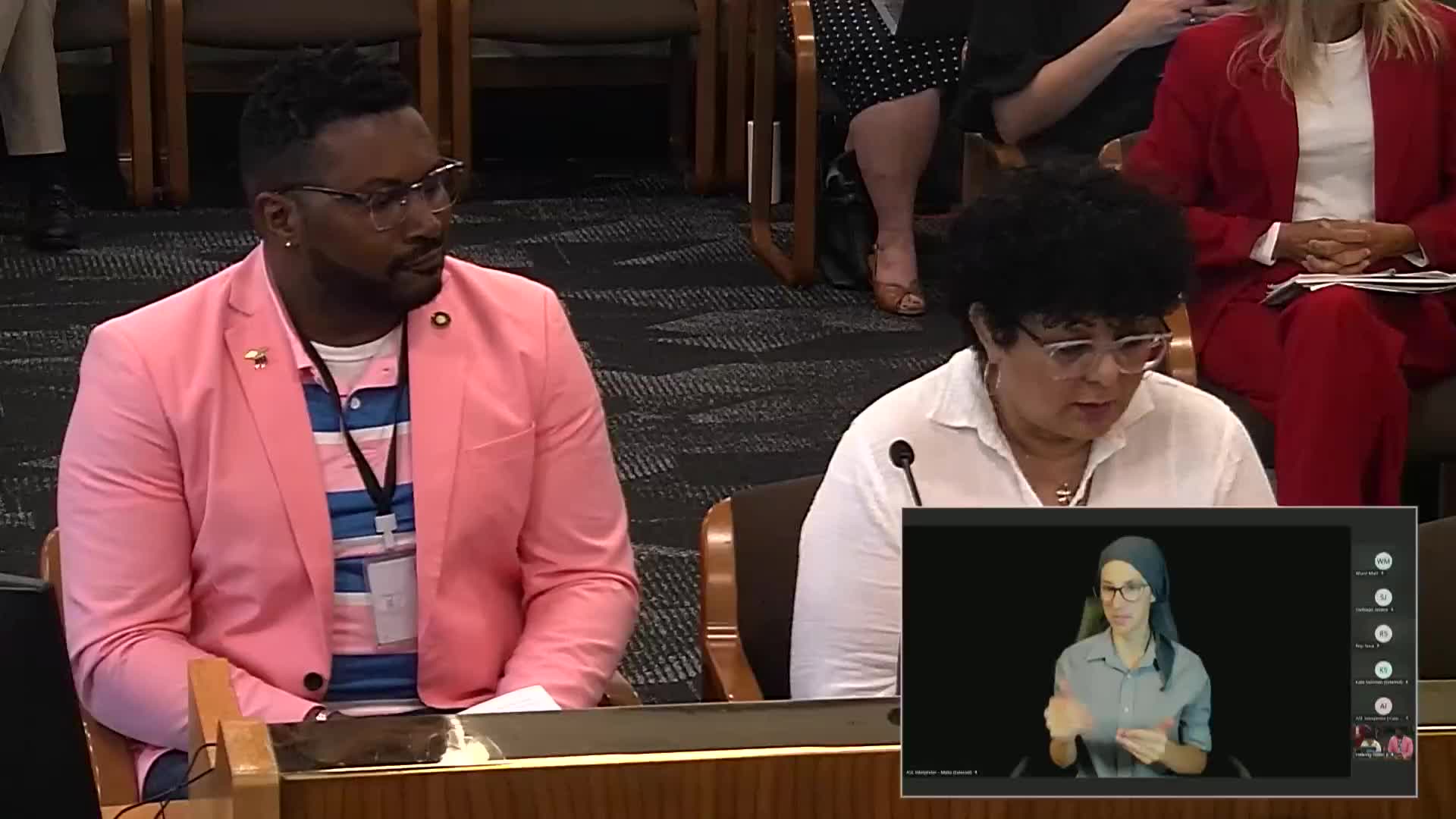
Several witnesses recounted personal experiences. Luz Ramirez Dadin told the committee that after filing a complaint with the Bureau of Labor and Industries in December 2021, BOLI completed an investigation in December 2022 and issued a notice of right to file civil suit giving her 90 days to sue. Because she initially pursued the BOLI process and had difficulty finding counsel, she said the shortened timeframe effectively cut into the five‑year period she believed was available under state law. She testified she ultimately found counsel but that the shortened deadline posed an access‑to‑justice problem for employees who cannot quickly secure private representation.
Representative Travis Nelson (bill sponsor) told the committee HB 2957A does not extend the statute of limitations but seeks to ensure the five‑year period available under Oregon law is preserved whether a worker files directly in court or first pursues an administrative remedy with BOLI. Senator Lou Frederick joined proponents, saying the inconsistency directly harms workers who are more likely to rely on BOLI than on private counsel.
Supporters said the bill will prevent employers from contractually shortening the period for bringing claims and will require BOLI to issue timely notices of rights so complainants understand the deadlines they face. They argued that the change is intended to make access to justice more equitable for low‑wage workers, young adults and marginalized groups that often pursue BOLI help because private legal representation is unaffordable.
The committee temporarily closed the public hearing and said it would return to HB 2957A later in the week. Sponsors and proponents asked for committee support to preserve the five‑year window for workers who engage BOLI.