Get Full Government Meeting Transcripts, Videos, & Alerts Forever!
Get email alerts on the Family Councils Memory Care topic
No spam. Unsubscribe anytime.
Committee hears testimony on bill to guarantee family councils in memory care facilities
Summary
Supporters told the House Committee on Early Childhood and Human Services May 6 that Senate Bill 228A would let families form independent family councils in memory care facilities and provide a path for regulatory enforcement if facilities interfere.
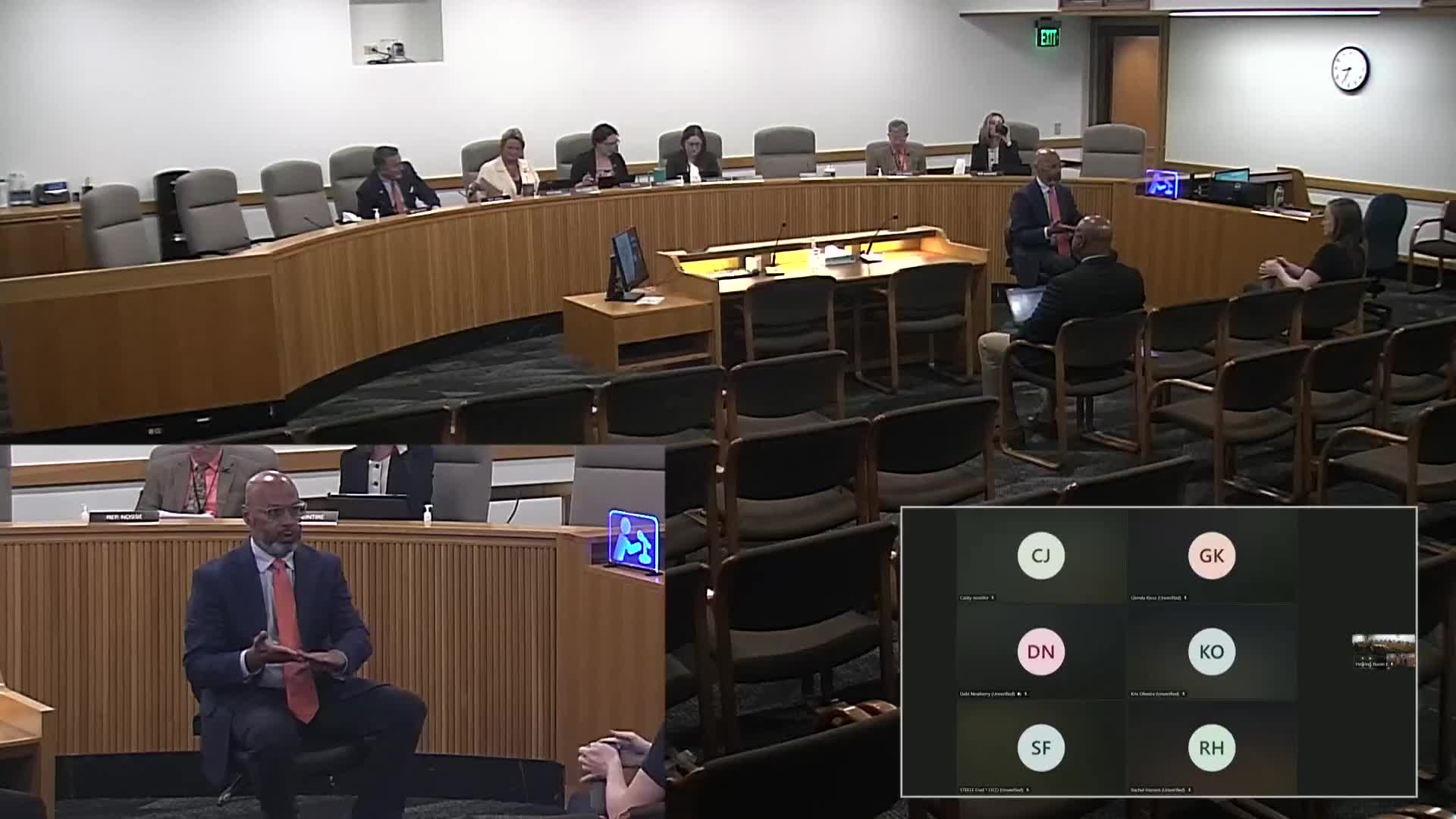
The House Committee on Early Childhood and Human Services held a public hearing May 6 on Senate Bill 228A, which supporters said would guarantee the right of families and legal representatives to form independent family councils in memory care facilities across Oregon.
Senator James Ivory Manning Jr., who sponsored the concept, told the committee he brought the bill after a constituent in his district reported injuries and poor responsiveness from a residential care facility. "He complained to the management and no one did anything about it," Manning said, adding that the bill is intended to give families more collective leverage to improve care.
Family members who founded an independent council at the Rollin memory care facility in Springfield described management cooperation that later ended after a leadership change. Jewel Nelson, co‑founder of the Rollin Independent Family Council, said the council allowed families to invite guest experts, plan agendas and pursue advocacy. "No family should have to fight both the grinding toll of dementia and indifference or active resistance by facilities to family councils," Nelson said.
Judith Smith, Nelson's co‑founder, said the council provided a "collective voice and advocacy for quality care" after management began to curtail ties with the independent council. "We changed our official name to the Rollin Independent Family Council, and we sought to write a bill giving rights to form and protect an independent family council in memory care here in Oregon," Smith said.
Fred Steele, State Long‑Term Care Ombudsman, testified in support and described the bill as a preventive tool to improve quality of life in memory care. Steele said family councils operate in about 230 memory care facilities around the state and that ombudsmen can assist families first; if facilities do not comply, the Department of Human Services (DHS) has regulatory authority to enforce laws. "By creating this legal structure and putting it into law, it would, could ultimately be enforced by the regulatory system," Steele said.
Multiple family members from facilities in Eugene, Portland and Beaverton described similar experiences: a family council provided continuity during frequent management changes and the COVID‑19 pandemic, helped family members coordinate care from out of town, and created a forum to raise concerns collaboratively. Bob Bussell read testimony from John Spencer of Hawthorne Gardens describing six executive directors in five years and calling the council "a group voice when there are problems."
Rachel Hansen, policy strategist for SEIU Local 503, told the committee the bill also supports direct care workers by improving communication and reducing unresolved issues that can contribute to staff burnout. "When families have a formal way to raise concerns, it reduces the burden on understaffed caregivers who often bear the brunt of unresolved issues," Hansen said.
The committee did not take a final vote on SB 228A during the hearing. Chair Hartman closed the public hearing after testimony and committee discussion. Earlier in the meeting the chair announced the committee will reschedule the work session on Senate Bill 944 to May 15. Committee members also flagged upcoming briefings on child‑welfare investigation processes and a Head Start informational day.
Why it matters: Supporters said SB 228A would extend to memory care settings a right that nursing home residents already have under federal law and create a clearer path for ombudsmen and DHS to respond when facilities interfere with independent family councils. The bill has drawn supporters from family members, the state ombudsman and labor representatives who tied family input to better resident outcomes and worker conditions.
Next steps: The hearing record is complete; the committee will consider the bill in a future work session. No formal vote on SB 228A was recorded during the May 6 meeting.