Get Full Government Meeting Transcripts, Videos, & Alerts Forever!
Get email alerts on the Veterans Plates Vehicle Registration topic
No spam. Unsubscribe anytime.
Panel hears proposal to allow veterans recognition license plates for motorcycles and mopeds
Summary
Senators and DMV officials told a House committee May 6 that Senate Bill 159 would permit veterans recognition license plates to be issued for motorcycles and mopeds; DMV described implementation steps and expected low initial volumes.
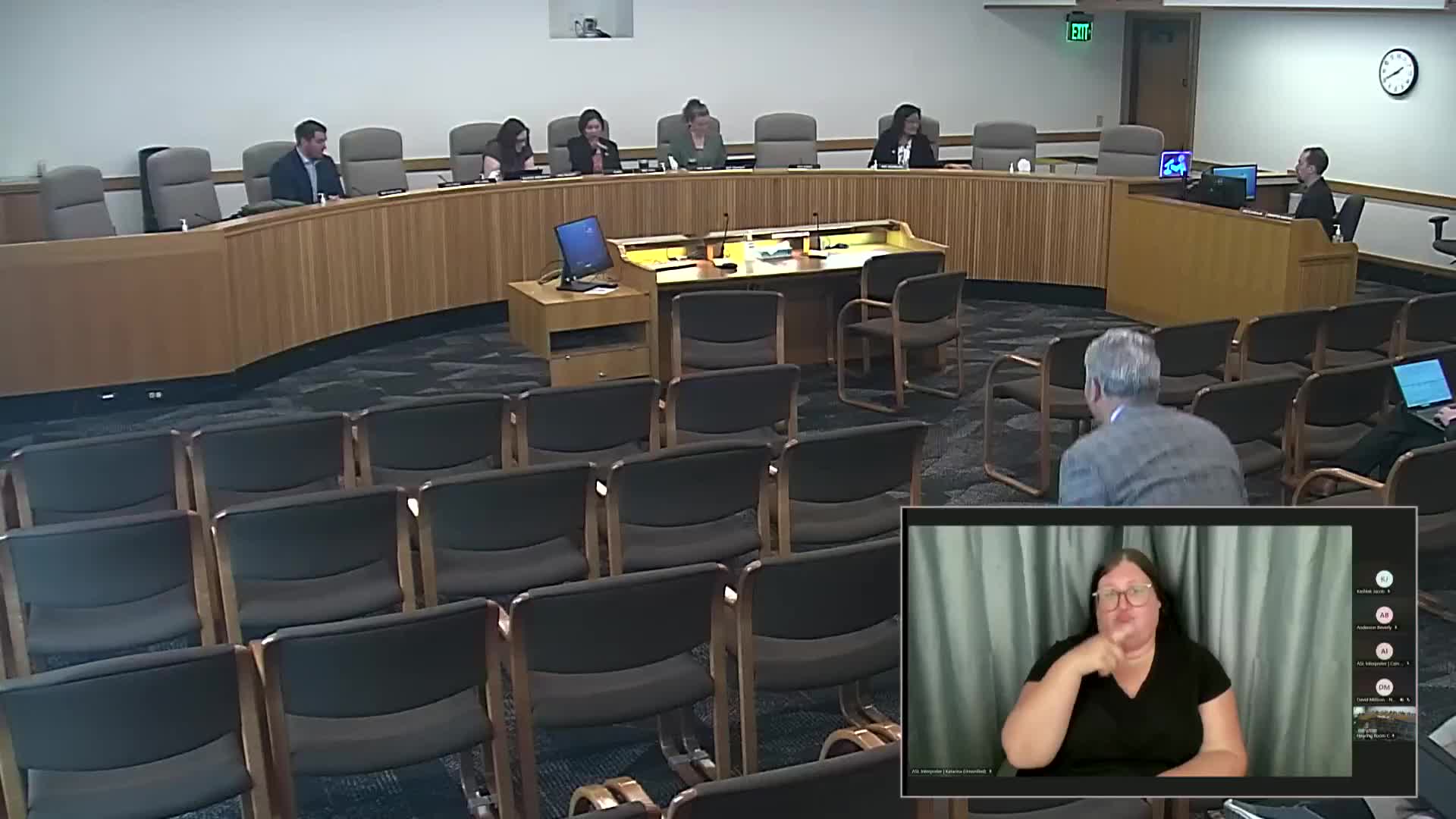
The House Committee on Emergency Management, General Government, and Veterans on May 6 held a public hearing on Senate Bill 159, which would allow veterans recognition license plates to be issued for motorcycles and mopeds.
Senator Mark Meek, sponsor of the bill in the Senate, told the committee the change would give veterans who ride motorcycles and mopeds the same recognition currently available for passenger vehicles. "These specialty plates are a wonderful way for all Oregonians to be able to recognize the service of veterans in our communities," he said.
Amy Joyce, administrator of the Motor Vehicles Division at the Oregon Department of Transportation's Driver and Motor Vehicle Services (testifying as DMV administrator), said the department has no position on the bill but laid out how DMV would implement it if the Legislature enacts the change. Joyce described two separate plate programs (specialty plates and the veterans recognition program), noted that veteran plates currently go through a centralized issuance process at DMV headquarters, and described practical steps — design work with advocates and the manufacturer, programming, and ordering an initial, limited stock of plates — to avoid waste and control costs.
Joyce supplied implementation data the committee could use in its deliberations: Oregon has about 267,000 veterans; roughly 128,000 registered motorcycles and mopeds; and the veterans recognition program issues roughly 2,700 new passenger‑vehicle veteran plates per year on average. The current statutory framework and practice routes surcharge proceeds to the Oregon Department of Veterans' Affairs to support veterans homes; Joyce said the typical surcharge for the veteran plate set on a passenger vehicle is $10 for two years after costs.
Committee members asked about plate design choices (branch‑specific designs vs. a single generic veteran plate), operational minimums and how DMV would order plates, and whether existing special plates for other public‑safety professions cover motorcycles. Joyce said the veterans recognition program is structured so plates are unlikely to fall below minimums because all veterans plates are grouped under one program umbrella; she said DMV would work with advocates to determine whether branch insignia, medal decals, or a simple veteran plate is preferable for motorcycles and mopeds.
The hearing closed without a committee vote recorded in the provided excerpt. Witnesses emphasized that the bill is intended as a modest technical change to extend an existing recognition program to additional vehicle classes and that DMV could implement the change within the program's existing framework and with limited upfront cost exposure.