Get Full Government Meeting Transcripts, Videos, & Alerts Forever!
Get email alerts on the Noncompete In Healthcare topic
No spam. Unsubscribe anytime.
Committee hears hours of testimony on bill to void noncompete clauses for health‑care licensees
Summary
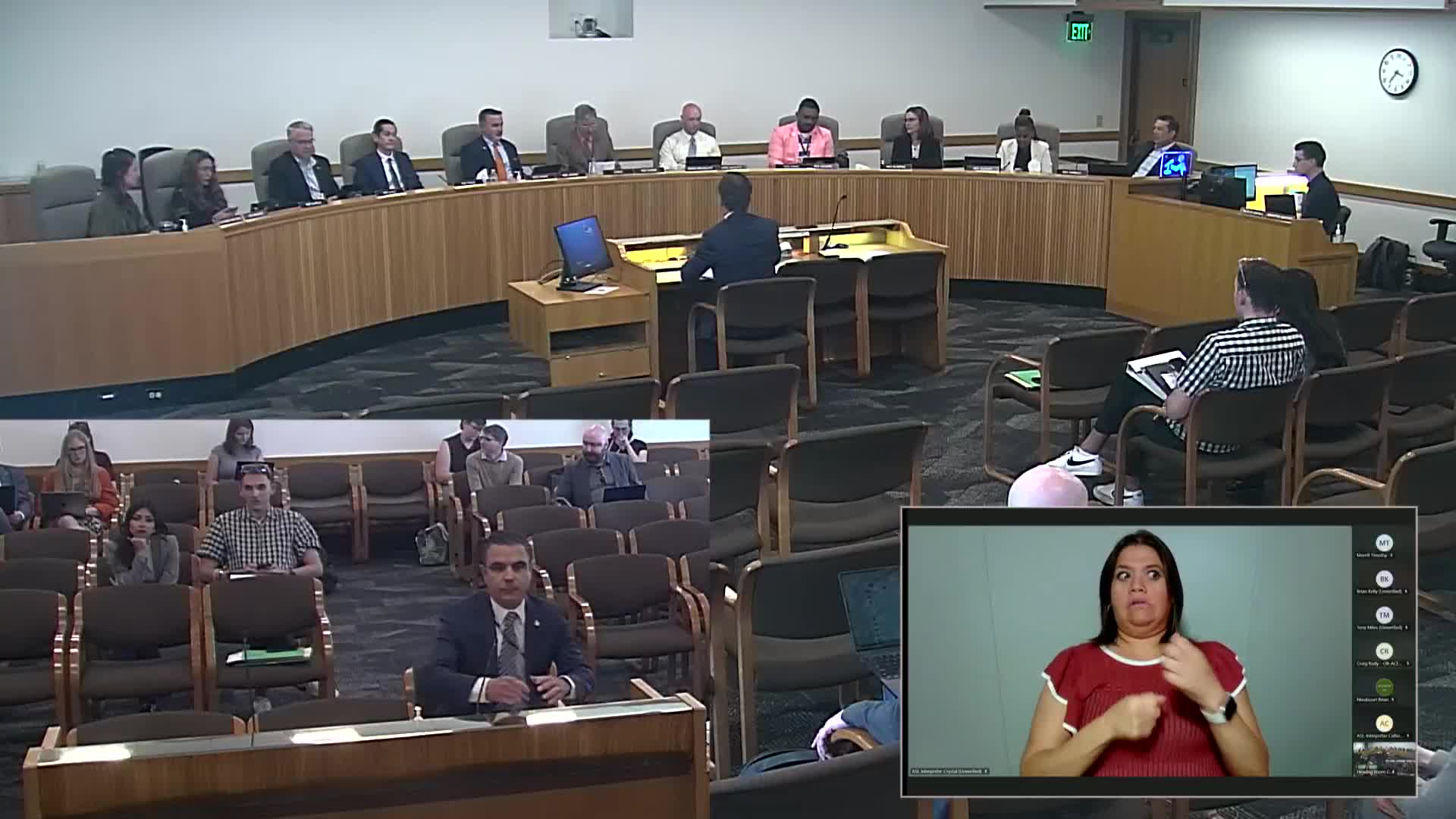
The House Committee on Behavioral Health and Health Care heard more than an hour of testimony Tuesday on Senate Bill 957, a proposal to make noncompete clauses unenforceable for health‑care licensees and to remove those contractual restraints on providers.
The House Committee on Behavioral Health and Health Care heard more than an hour of testimony Tuesday on Senate Bill 957, a proposal to make noncompete clauses unenforceable for health‑care licensees and to remove those contractual restraints on providers.
Proponents told the committee the clauses have prevented licensed clinicians from practicing medicine where they live and have reduced patient access. "Licensed physicians in good standing otherwise available to practice medicine, but they couldn't," said Representative Nancy Nathanson, citing situations in Eugene where providers were blocked from treating local patients after ownership changes.
The bill would void noncompete agreements for health‑care licensees, a move supporters said is needed amid staffing shortages and growing corporate ownership of medical practices. "Non competes are restraints on trade. They don't make sense in health care," said Senator Broadman, who introduced the measure to the committee and framed it as a patient‑access issue. Several physician witnesses said the clauses are used by large corporate entities and private equity owners to limit clinician mobility and silence concerns about care. "Private equity owners should not be allowed to remove a position without due process rights," said Craig Rudy, former president of the Oregon chapter of the American College of Emergency Physicians.
Supporters described local examples of disruption. Representative Nathanson said Eugene's only hospital closed Dec. 1, 2023, and that many physicians who left local practices were then contractually barred for months from seeing patients in the same community, worsening access. Senator Lisa Reynolds, a pediatrician, testified that longitudinal patient‑physician relationships are harmed when clinicians are prevented from continuing to serve patients.
Opponents and neutral witnesses urged a narrower approach. Hospitals, clinics and management organizations said some limited, time‑bound protections help practices recoup large recruitment and facility investments, especially in rural areas and for specialized services. Brian Kelly, CEO of Women’s Healthcare Associates, said medical groups often face "a large cash flow deficit when we're bringing in a new provider" and described first‑year recruiting and onboarding costs that clinics need to recover. Radia Inc.'s chief legal officer told the committee that national hiring dynamics make recruitment costly and argued for exceptions for practices that make substantial investments.
Several witnesses and stakeholders asked the committee to coordinate SB 957 with other bills under consideration, including Senate Bill 951 (a corporate practice of medicine measure) and recent proposals that would allow a limited recoupment period (for example, a three‑year recoupment window negotiated in other drafts). Proponents said the bills are complementary; opponents warned that proceeding with competing vehicles could create legal conflict. The Oregon Medical Association and other medical societies said they support moving a noncompete fix forward but urged careful balancing.
The bill would also, according to some witnesses and amendment language discussed, make noncompete clauses void "past and present," a retroactivity point several witnesses sought to clarify. Craig Rudy said the bill should be retroactive so currently bound clinicians can practice freely. Other witnesses and business groups asked for a clear effective date and warned that indefinite retroactivity could create legal uncertainty.
Committee members pressed witnesses on tradeoffs: whether a total ban would chill recruitment or investments, whether carve‑outs for owners with substantial equity are needed, and how the bill interacts with other statutes and pending legislation. Representative Deal asked whether documented investment recoupment clauses or clawbacks could be used instead of noncompetes; supporters said clawbacks and bonuses are available alternatives, while opponents said the alternatives do not fully mitigate recruitment risk for some practices.
No formal committee vote on SB 957 was recorded at Tuesday's hearing. The chair kept the record open for additional testimony and questions and did not announce further action on the measure at the meeting.
Proponents, opponents and neutral parties asked the committee to reconcile SB 957 with companion bills and to consider narrow exceptions for documented, sizable investments in recruiting or infrastructure. The committee did not adopt any amendments or take final action on SB 957 at the session.