Hearings resume on bill to let Oregon providers use telemedicine for temporarily out-of-state patients
Loading...
Summary
House Bill 3727A would permit an Oregon physician or physician assistant to provide telemedicine to an established patient who is temporarily located out of state, subject to the laws of the state where the patient is located. Supporters said the change improves continuity of care; medical groups urged caution about licensing reciprocity.
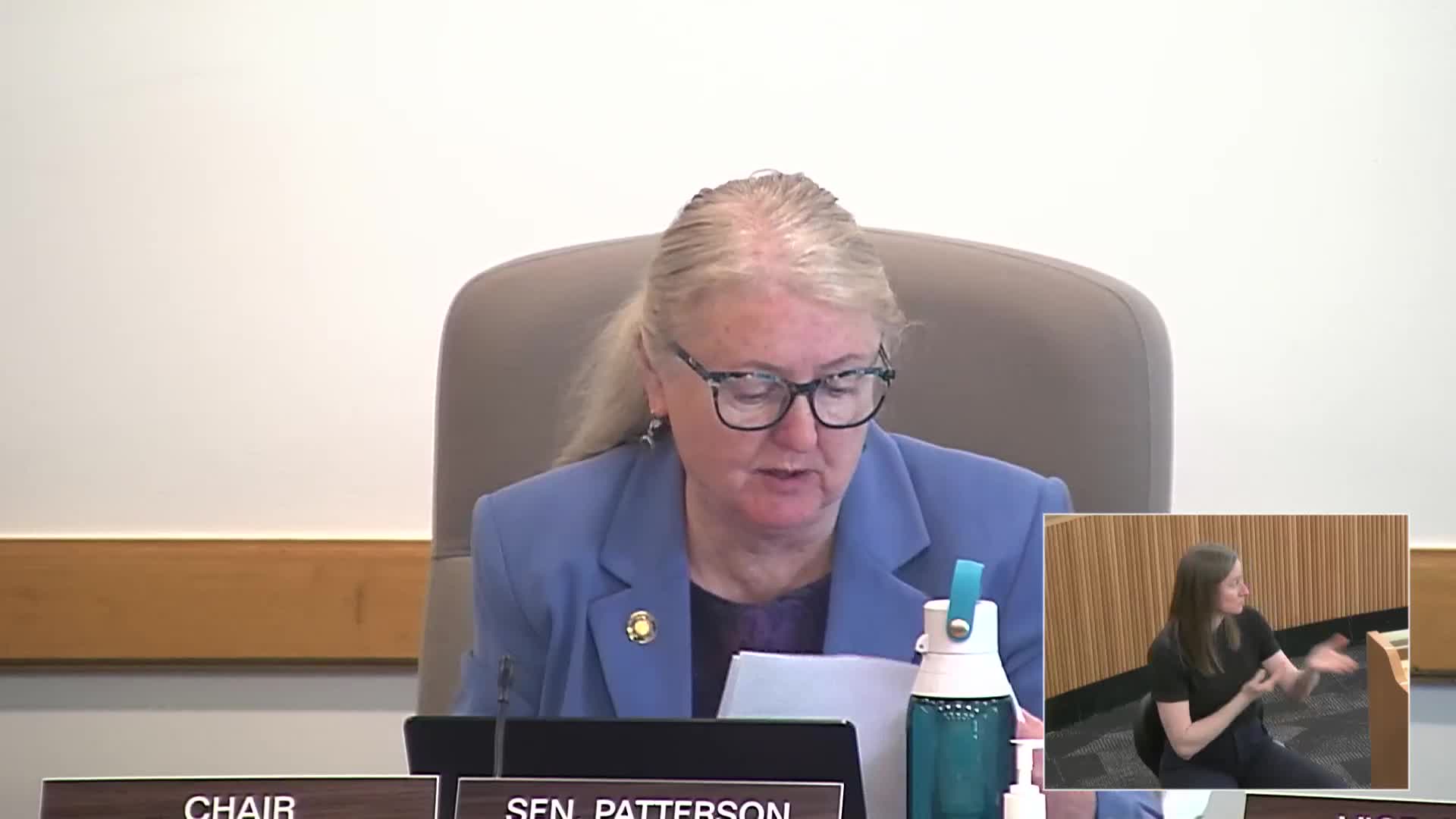
The Senate Committee on Healthcare reopened a public hearing May 6 on House Bill 3727A, which would allow an Oregon physician or physician assistant to use telemedicine to treat an established patient who is temporarily located out of state for urgent, emergent or continuity‑of‑care reasons.
Senator Lisa Reynolds, a pediatrician who testified in support, described telehealth’s role during the COVID pandemic and how virtual visits have helped continuity of care for patients who move away to college or travel. "This bill improves and streamlines patient care by allowing a telehealth visit between an established provider and their established patient when their patient is temporarily out of state," Reynolds said, noting telemedicine can be less disruptive and helpful for routine medication management and mental-health check‑ins.
Representative Ken Helm said the bill grew from a constituent complaint about being unable to consult his Oregon providers during a medical emergency out of state. "I think this is a very simple fix and would benefit people in similar situations," Helm said while reading a constituent letter describing delayed care during an emergency outside Oregon.
The Oregon Medical Association and the state medical board filed neutral or cautionary testimony through Courtney Dresser, who asked the committee to ensure clinicians do due diligence about the laws and licensing of the state in which the patient is located. "If the patient is in another state and you're not licensed in that state, you could be practicing without a license," Dresser said, urging providers to check reciprocal arrangements and state rules.
Committee members asked staff and witnesses about how many states have reciprocal licensing or "reciprocal" telemedicine arrangements; witnesses did not provide a comprehensive count and the committee suggested follow-up with the Medical Board. The committee closed the public hearing and carried the record forward; no committee vote occurred May 6.
Why it matters: The bill would remove a barrier that prevents some Oregon clinicians from continuing established relationships with patients when the patient is temporarily out of state, affecting continuity for mental‑health care, medication management and routine follow-up.
What happens next: The committee left the record open for written testimony and did not vote on the measure during the May 6 meeting.