Get Full Government Meeting Transcripts, Videos, & Alerts Forever!
Get email alerts on the Physical Therapy Scope Dry Needling topic
No spam. Unsubscribe anytime.
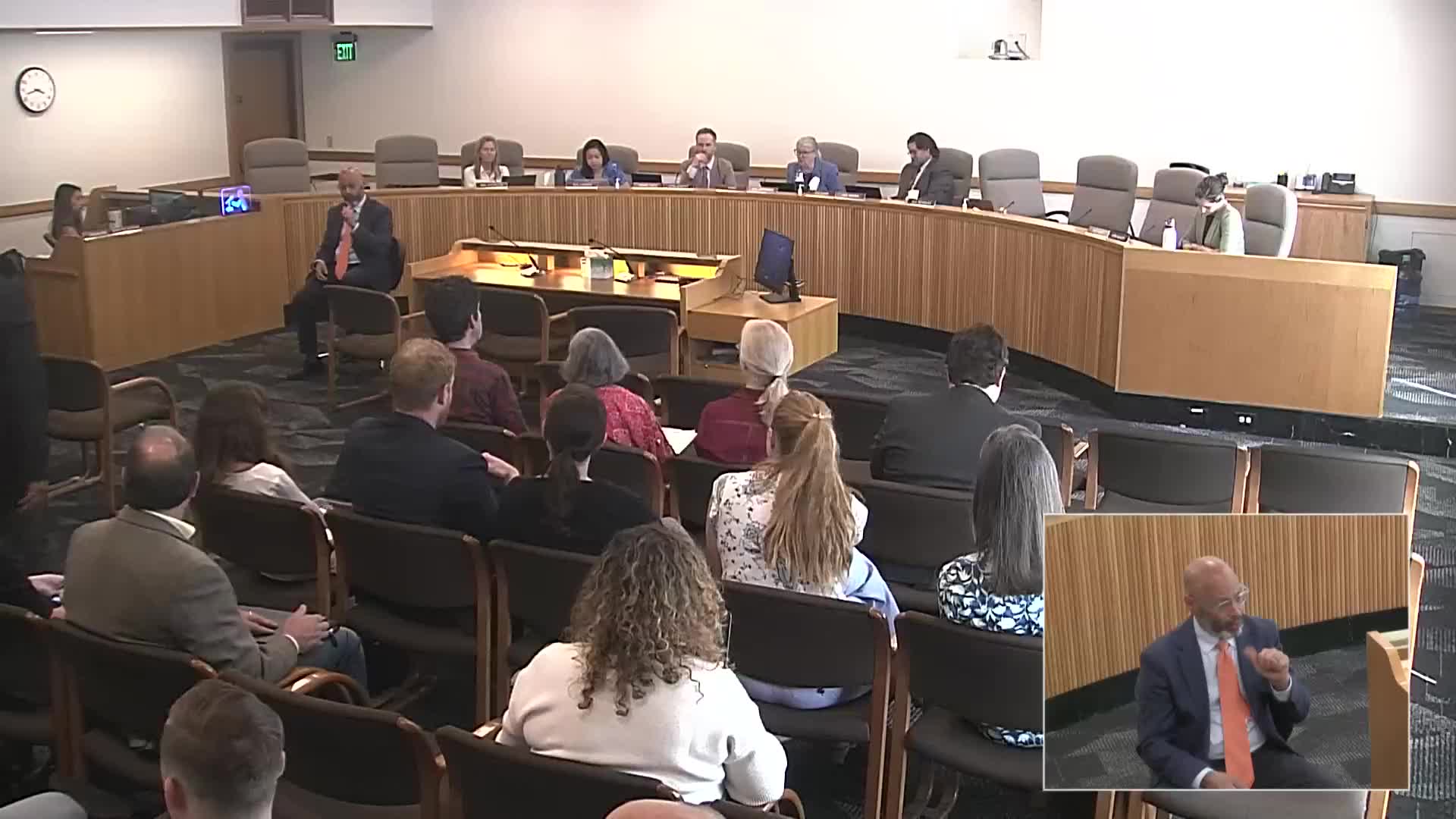
Contentious hearing on physical-therapy scope bill exposes split between PTs and acupuncturists over dry needling
Summary
Senate Committee on Healthcare resumed a contentious hearing on May 6 about House Bill 3824A, which would modernize Oregon’s physical-therapy practice act and authorize several expanded duties including certain needle procedures contested by acupuncturists.
The Senate Committee on Healthcare reopened the public hearing May 6 on House Bill 3824A, a broadly scoped modernization of the physical-therapy practice act that would adopt language from the Federation of State Boards of Physical Therapy and add authorities such as ordering certain imaging, certifying disability parking placards, prescribing durable medical equipment and permitting "needle insertion" procedures currently disputed in Oregon.
Noel Tinoso, government affairs chair for the Oregon chapter of the American Physical Therapy Association, said the bill "would align the practice of physical therapy in Oregon with the national standards" and expand patient access, particularly in rural areas, by letting physical therapists practice consistent with their education and training. Jeremy Hilliard, a physical-therapy faculty member and past state chapter president, said dry needling is practiced in 46 other states and argued the technique is taught widely in entry-level programs.
Physical therapists and supporters described clinical settings where allowing PTs to order imaging or prescribe walkers and wheelchairs would reduce delays and duplicate work. Gavin McBride, a doctoral-trained physical therapist at the Portland VA, said the Department of Veterans Affairs already allows expanded PT authorities and that early PT access can improve outcomes and lower costs.
Opponents — principally licensed acupuncturists and some nurses and physicians — urged the committee to remove needle‑insertion language. "The inclusion of the term needle insertion in the body of the bill...effectively paves the way for dry needling to be added to the scope of physical therapy," said Danielle Regai, a licensed acupuncturist, who argued dry needling overlaps with acupuncture and that training and independent oversight in Oregon are different for acupuncture. Ian Wilkinson, a licensed acupuncturist, described extensive clinical training and warned of serious adverse events if practitioners lack sufficient training. Amber Redding Ghazini of the Oregon Association of Acupuncturists said state precedent and a 2011 court ruling treat dry needling as acupuncture and recommended retaining medical-board regulation and minimum training standards.
Physical therapists who testified said safety data and professional-liability experience do not show higher risk where PTs perform dry needling. Patrick Carver, a licensed PT, disputed statistics cited by opponents and said the peer‑reviewed studies opponents quoted did not support the adverse‑event rates asserted in some testimony.
Committee members limited testimony and carried the bill’s record forward to a later meeting; the hearing was not concluded May 6. Supporters asked the committee to consider amendments but said they sought to protect patient access and consumer choice. Opponents requested clearer training standards and independent regulatory oversight if needle procedures remain in the bill.
Why it matters: The bill would change which clinicians can perform specific interventions and order certain tests, affecting access to care in rural and urban settings and raising questions about training, credentialing and patient safety. The dispute focuses primarily on whether "dry needling" is a distinct, evidence‑based PT technique or functionally equivalent to acupuncture and therefore subject to a different regulatory regime.
What happens next: The committee carried over the remainder of testimony to a future meeting (the chair said the record will be re‑opened on Thursday) and invited pro and con witnesses to submit written material and proposed amendments.