Get Full Government Meeting Transcripts, Videos, & Alerts Forever!
Get email alerts on the Solar Road Use topic
No spam. Unsubscribe anytime.
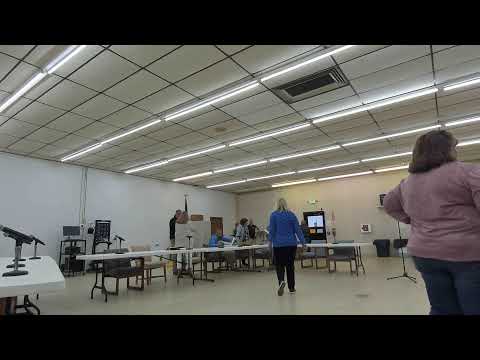
Pulaski County officials and residents press developers on road repairs, enforcement amid solar construction
Summary
Commissioners and staff described road damage, issued breaches and discussed enforcement measures as residents urged work stoppages and stricter oversight of commercial solar projects, including Mammoth Solar.
Pulaski County commissioners and staff spent the meeting detailing road damage tied to commercial solar construction, reporting multiple contract breaches and describing enforcement steps while residents urged the county to halt work until developers comply.
County staff member Tim, reporting for the project inspector team, told commissioners that road repairs have begun on County Road 800 and sections of 600 and that “at the end of the project, if the PASER rating is above or at what it was prior, nothing else will be done. If it's below what that PASER rating is, they will come out and make the necessary improvements to bring it to or above that PASER.” The PASER scale referenced rates roads from 1 (worst) to 10 (best).
The discussion followed lengthy comments from residents who accused Mammoth Solar of violating both the Economic Development Agreement (EDA) and the Road Use Agreement (RUA). Resident Connie Ehrlich said in public comment: “Mammoth Solar is in breach of the economic development agreement and the road use agreement. You have no other choice but to issue a work stoppage or pull the building permit…until Mammoth is in compliance.” Other speakers, including Ross Davis, described continued road and safety problems and said fines alone were not deterring violations: “these small fines doesn't matter, so we need to do something to protect.”
County staff and the sheriff described specific enforcement steps already in place. Tim said the county has issued multiple breach notices, including for starting work before road maps were approved and for using the wrong roads or failing to post required signage. Tim said two breaches had been issued, a third was in draft and additional drafts were in preparation. The county has also deployed trail cameras at several locations to record movements on routes that should be restricted.
Sheriff's office representatives and commissioners explained an arrangement with a private firm called Extra Duty Solutions to supply off-duty officers when county deputies are not available. The sheriff signed the contract; the arrangement is funded by developers, not county general funds, and officers are paid directly by the vendor. County staff said the vendor also remits payments to the county when county vehicles are used.
Commissioners and staff also discussed speed and signage changes. Staff proposed adding a 40 mph limit for project trucks in RUA language and testing that approach; one commissioner said he would “run this by the developer,” and any change would return to commissioners for approval. Staff also reported installing additional stop signs and accelerating road sweep and repair work; they said the developer has increased dust-control operations and removed drivers from the project for violations.
Residents warned the county that experience in other counties — including Stark County — showed developers and state grants sometimes did not leave roads in full repair and that county taxpayers could end up covering large repair bills. Tim and other staff said they are coordinating with multiple developers that will share eight road sections and will bring both developers to the table to agree responsibility for repairs.
No commissioner action to stop construction was taken during the meeting. Commissioners directed staff to continue enforcement, to draft potential RUA amendments (including the proposed truck speed limit), and to bring options back for formal action if needed.
Why it matters: The county expects multiple commercial solar projects to use the same rural roads; unresolved repair responsibilities, weak enforcement language in agreements, or gaps in bonding could leave road repair costs and safety burdens to local taxpayers.