Get Full Government Meeting Transcripts, Videos, & Alerts Forever!
Get email alerts on the Admin Law Abcc topic
No spam. Unsubscribe anytime.
Appeals court considers ABCC authority and administrative‑record requirements in COVID-era enforcement action
Summary
The Massachusetts Appeals Court heard argument in Port Restaurant & Bar Inc. v. Alcoholic Beverages Control Commission, docket no. 24P996, over a three‑day suspension of a liquor license affirmed by the ABCC for alleged COVID‑era violations and whether the commission met statutory decision‑writing and jurisdictional requirements.
The Massachusetts Appeals Court heard argument in Port Restaurant & Bar Inc. v. Alcoholic Beverages Control Commission and Others, docket no. 24P996, over a three‑day suspension that the ABCC affirmed after local licensing authority findings during the COVID‑19 pandemic. The appellant challenges the ABCC’s reasoning and compliance with statutory decision‑writing obligations.
Why it matters: The appeal explores administrative‑law limits on agency enforcement, how executive emergency orders interact with existing licensing statutes, and the specificity that agencies must include in written decisions under Chapter 30A and the Liquor Control Act (Chapter 138). Restaurants and local licensing boards across Massachusetts faced similar compliance and enforcement questions during the pandemic.
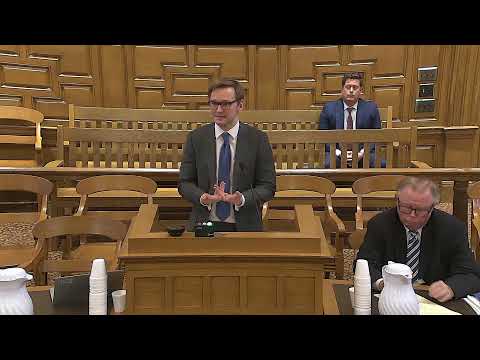
Appellant counsel William Kelly framed the issue as twofold: (1) whether the ABCC had statutory authority to enforce COVID‑related restrictions by suspending a liquor license and (2) whether the commission’s written decision failed to explain why it disapproved the local licensing authority’s action as required by Chapter 138 and whether the ABCC’s decision complied with the statement‑of‑reasons requirement of G.L. c. 30A, §11. Kelly argued that the ABCC’s decision omitted analysis of disputed facts and did not identify controlling legal authority that justified the suspension.
Assistant Attorney General (counsel for the ABCC) responded that the suspension was an enforcement of Chapter 138’s prohibition on permitting violations of any law of the Commonwealth and that violations of the governor’s executive orders (which were in effect during the pandemic) qualify as “laws” for purposes of the Liquor Control Act. The AG’s office cited precedent in which the commission suspended licenses for illegal gambling and sales of controlled substances to illustrate that the ABCC routinely enforces statutory prohibitions that are also subject to other enforcement mechanisms.
The panel also questioned the length of time between investigations and the commission’s final decision, and whether the ABCC’s statutory 30‑day directive for decisions is directory rather than mandatory. Counsel debated whether substantial prejudice resulted from the administrative delay and whether the record appendix contained the contemporaneous communications among local health authorities, police reports, and ABCC investigators that would explain the chronology.
Court action: Argument ended and the panel took the matter under advisement.