Get Full Government Meeting Transcripts, Videos, & Alerts Forever!
Get email alerts on the Domestic Relations Contempt Fees topic
No spam. Unsubscribe anytime.
Appeals court hears argument over contempt findings and fee award in Savoy v. Atkins
Summary
Attorneys disputed contempt findings, scope of the contempt hearing and a roughly six-figure fee award after a special master process; appellant says most contempt items were cured before the hearing and that the fee award relied on a tainted presumption.
The Appeals Court heard argument in the post-divorce dispute between Richard Savoy and Geraldine Atkins over multiple contempt findings, the role of a special master, and a large attorney-fee award that the husband says should be vacated.
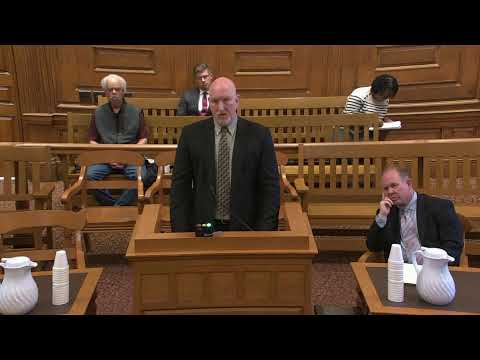
Matthew Barak, counsel for appellant Richard Savoy, told the panel that eight of the ten contempt findings were moot because his client had come into compliance before the contempt hearing and that the resulting fee award was excessive. Barak argued the court below “put its thumb on the scale” by treating the contempt adjudication as a presumption supporting a sweeping attorney-fee award and asked the Appeals Court to remand for recalculation of fees and a rehearing on any remaining disputed items.
Opposing counsel Robert O’Regan, representing Geraldine Atkins, said Judge Black made detailed factual findings tying specific delays and refusals to comply to contempt and that at least two items — the Bank of America pension account and a set of coins — remained unresolved at the time of the contempt hearing. O’Regan emphasized that the parties agreed to refer disputes to a special master and that Savoy repeatedly resisted compliance with the special master’s recommendations.
The justices questioned whether vacating contempt findings would materially change the fee outcome and whether appellants waived certain objections below. The court asked for record cites to the special master’s exhibit list and for clarity about which findings the appellant actually contested. Barak pointed to the record and argued several fee entries and double-billing issues were raised below; O’Regan said the relevant trial exhibits (including a trial exhibit listing required asset divisions and dates) were in the supplemental appendix and supported the trial court’s chronology and findings.
The panel took the case under advisement. Counsel and the justices discussed whether the judge’s fee analysis relied impermissibly on a presumption tied to contempt adjudication and whether delays and procedural history (appeals, COVID interruptions, special-master work) should reduce the fee award.