Get Full Government Meeting Transcripts, Videos, & Alerts Forever!
Get email alerts on the Statute Of Limitations Tolling topic
No spam. Unsubscribe anytime.
Appeals court hears dispute over when statute of limitations ran in Marks v. DeVries Education Group
Summary
At oral argument in Marks v. DeVries Education Group, counsel disputed whether a 2017 letter or a later administrative process triggered the statute of limitations and whether a grievance process tolled the limitations period for claims including Chapter 93A and misrepresentation.
A three-justice Appeals Court panel heard argument over whether Michael Marks’ claims against Ross University and Auburn were time-barred, and whether an administrative grievance or a later final decision triggered the statute of limitations.
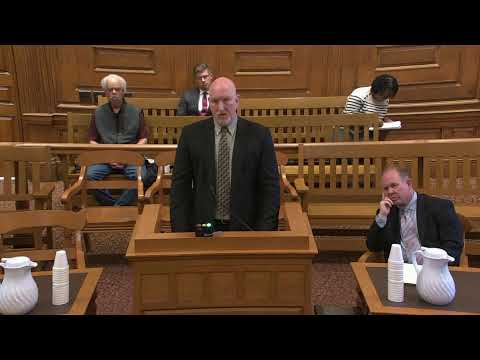
The panel, introduced by Justice Ariane Bueno, questioned whether a letter from Auburn in February 2017 telling Marks he could not finish the clinical program was the triggering event or whether the multi-year administrative process that culminated in 2021 controlled. “I think my brother argues that this issue is being raised for the first time on appeal,” counsel Dana Kerhan, representing Marks, told the court; Kerhan pointed to filings in the trial record she said preserved the tolling argument. Kerhan argued that “there was a legitimate grievance process” and that the record supported treating the matter as continuing through 2021.
Ed Kolbert, counsel for Ross, told the panel that the misrepresentation claim’s tolling argument was waived below and urged the court to follow precedent holding that grievance procedures do not automatically toll statutory deadlines. Kolbert relied on Kaufman (1984) and other authority his brief cited, arguing there is no Massachusetts case law that grants automatic tolling merely because a student pursued an internal grievance.
The justices pressed both sides on whether the question was one of law or one of fact for a trial court. Justice Vicky Henry posed hypotheticals about equitable tolling and judicial economy, noting that courts sometimes stay lawsuits while internal grievance procedures run. Kerhan replied that Marks was unrepresented for part of the process and that factual issues about the parties’ expectations and whether Ross promised accommodations remained for the factfinder.
The parties also disputed whether a student handbook or an alleged oral promise could form the basis of an enforceable contract or create an obligation to arrange alternative clinical placements. Kolbert argued that handbook language is “generalized and aspirational” and insufficiently definite to create a contract absent clearer, specific terms or incorporation of statutory standards.
The panel took the case under advisement. No decision was announced at argument.