Get Full Government Meeting Transcripts, Videos, & Alerts Forever!
Get email alerts on the Real Estate Disclosure topic
No spam. Unsubscribe anytime.
Appeals court hears Revolve Realty's challenge to dismissal of fraud and nondisclosure claims
Summary
At oral argument before a three‑justice Massachusetts Appeals Court panel, Revolve Realty argued that trial judges erred in disposing of counterclaims alleging fraudulent omission and that those rulings deprived the company of the chance to pursue defenses and damages; the panel took the matter under advisement.
A three‑judge panel of the Massachusetts Appeals Court heard oral argument in Frank Hennessy and Another v. Revolve Realty Development LLC, docket no. 24P516, on whether trial judges improperly resolved counterclaims for fraudulent omission and related defenses on Rule 12(c) motions and subsequent dispositive rulings.
Why it matters: The appeal raises a narrow but recurring issue in real‑estate litigation — whether a seller’s partial, truthful statements can become misleading and give rise to a duty to disclose under Massachusetts law. A ruling for the appellant could affect how parties and brokers describe transactions in purchase‑and‑sale negotiations.
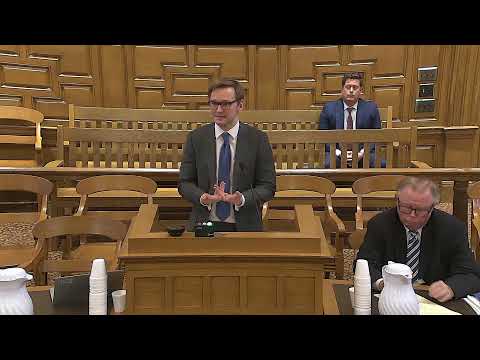
Attorney Michael Magro, arguing for Revolve Realty and two individual defendants, told the court the dispositive procedural step was an erroneous decision on a Massachusetts Rules of Civil Procedure Rule 12(c) motion that “carried through every dispositive pleading that followed and prevented the defendant Revolve Realty from asserting defenses and counterclaims.” Magro relied on the Restatement (Second) of Torts §551 formulation he read to the panel — “there are matters known to the speaker that he knows to be necessary to prevent his partial or ambiguous statement of the facts from being misleading” — and said the Hennessys’ voluntary statements about their sale (described in the record as “under agreement,” “P & S signed,” and “cash buyer”) were half‑truths because the Hennessys allegedly failed to disclose a contingent sale: their buyer’s inventory transaction to sell a $14,000,000 marijuana business in California.
Judges repeatedly pressed Magro on pleading specificity and waiver. The chief justice observed motions for judgment on the pleadings are decided on the pleadings, and asked where the alleged representations appeared in Revolve’s pleadings and whether the counterclaim had pleaded fraud with the required specificity. Magro responded that the counterclaim and opposition pleadings contained the factual thrust of Revolve’s allegation and argued that Rule 15’s liberal amendment policy should have allowed Revolve to pursue its counterclaim in court.
Peter Fenn, counsel for the Hennessys, disputed that the sellers had an overarching duty to disclose the identity or funding of their buyer. Fenn told the panel that the Hennessys “disclosed more than people sometimes disclose, which is that their buyer had no mortgage contingency,” and that the buyer’s source of funds was immaterial to the transaction. Fenn also summarized the history of litigation in the superior court, saying several judges had considered the fraud arguments and found them unsupported on the merits.
Both sides briefed a mix of substantive and procedural questions: whether the pleadings alleged an actionable omission, whether Revolve’s own pretrial conduct (including contemporaneous text messages) undercut its claims, how rescission and liquidated‑damages provisions interact if fraud in the inducement were proven, and whether earlier superior‑court orders and the law‑of‑the‑case doctrine constrained later judges’ handling of amendment and reconsideration.
Court action: No decision was announced at argument; the panel stated the matter would be under advisement.
Speakers quoted in the argument were counsel and the judges only. The transcript reflects questioning from the panel and repeated references to prior superior‑court rulings that resolved successive iterations of the parties’ claims.