Get Full Government Meeting Transcripts, Videos, & Alerts Forever!
Get email alerts on the Governance Policy topic
No spam. Unsubscribe anytime.
Wissahickon board approves revised public‑comment policy after second reading; policy narrows who may speak
Summary
The board approved the second and final reading of policy 903, which narrows the categories of people eligible for public comment at school board meetings and explicitly adds alumni to the list of permitted speakers; vote was 6–3 on a roll call.
The Wissahickon School District Board approved the second and final reading of policy 903, the district’s public‑comment rule, after discussion at the policy committee and two public readings.
Policy 903 sets who may use public‑comment time at board meetings. The revised policy explicitly adds alumni to the list of permitted speakers and retains categories such as current residents, taxpayers, parents and guardians of enrolled students, district employees and business partners eligible to contract with the district. Supporters said the changes prioritize direct stakeholders; opponents said the revisions narrow access.
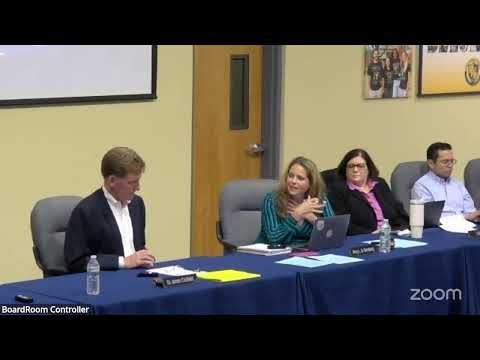
Policy Committee Chair Marshall told the board the revisions were discussed in committee on Feb. 18 and again during multiple readings. During the board discussion, several members said the policy is not unusually restrictive and argued that nonresidents and outside advocacy groups have other avenues for comment. Other trustees said they were concerned about limiting access to the public podium.
On the roll call for final approval, six members voted yes and three voted no. The clerk recorded the vote as: Mister Antonio, Mister Badger, Mister Bleefeld, Miss Chiavacci, Doctor Morris and Missus Ginsburg — yes; Mister Gholson, Miss Carrie Anikas and Mister Walker — no. The measure passed and will go into effect according to the district’s normal policy‑implementation timetable.