Get Full Government Meeting Transcripts, Videos, & Alerts Forever!
Get email alerts on the Elder Abuse topic
No spam. Unsubscribe anytime.
Baltimore County ombudsman outlines signs of elder abuse, offers free advocacy and a June 18 safety event
Summary
Lynn McCamey, BCDA Ombudsman Manager, told a county TV program that elder abuse can be physical, financial, psychological or neglect, urged residents to report concerns to Adult Protective Services or the ombudsman program, and announced a free World Elder Abuse Awareness Day event on June 18 in Towson.
Lynn McCamey, BCDA Ombudsman Manager, urged Baltimore County residents to watch for physical, financial and psychological signs of elder abuse and said the county’s ombudsman program provides free, confidential advocacy for people living in long-term care.
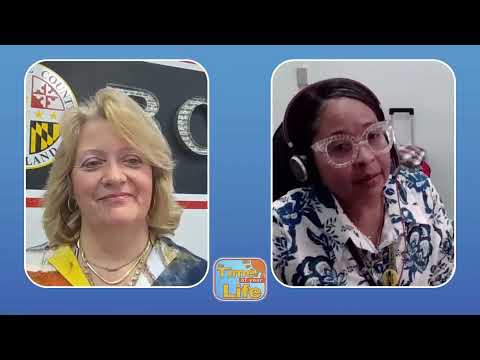
On the Time of Your Life program, host Ethel Rasmussen asked what constitutes elder abuse and how neighbors or family members should respond. McCamey said abuse “can be all of the above,” noting that perpetrators are often people close to the victim. “People who they trust tend to be the ones who take advantage of their kindness,” she said.
Why this matters: older adults in nursing homes, assisted living and the community can be vulnerable to several types of harm, and local agencies have different roles. McCamey said Ombudsman staff are advocates for residents in long-term care and that Adult Protective Services (APS) handles community-based cases; she encouraged callers to contact the appropriate agency so trained staff can investigate safety concerns.
McCamey described common forms of elder abuse and signs to watch for. “There are probably five or six major strains of elder abuse as we know it,” she said, listing physical harm, financial exploitation or scams, psychological abuse or undue influence, neglect and self-neglect. She added warning signs such as unexplained bruises, social withdrawal and mail piling up despite the resident being at home. “There could be someone stealing their identity,” she said, adding that identity theft can prevent an older adult from engaging as themselves.
If residents or family members suspect abuse, McCamey told viewers to contact APS for community-dwelling adults or the ombudsman program for people in nursing homes or assisted living; she said responses can be blended for assisted-living situations. For help, the ombudsman program’s main phone number is (410) 887-4200 and the program email is ombudsman@baltimorecountymd.gov. McCamey said the program accepts walk-ins at its Towson office at the Bicoda Senior Center and that all advocacy services are free and confidential.
McCamey also described volunteer opportunities. Interested people can apply via the state and county websites; a volunteer coordinator will follow up with training, shadowing and ongoing education requirements.
As a practical step, McCamey urged community members to make the first phone call if they suspect abuse: “You just have to be willing to make that first phone call to adult protective services or the ombudsman’s program,” she said, so that trained staff can investigate and determine available safety options.
McCamey invited the public to a free World Elder Abuse Awareness Day event on June 18 from 10 a.m. to 12 p.m. at the Towson Senior Center, where the county’s elder-abuse coalition, BC RES, will present information including a session on recognizing AI-related scams. Rasmussen closed by reminding viewers that general aging questions can be directed to Maryland Access Point of Baltimore County at (410) 887-2594 and that the program is available on the Baltimore County government YouTube channel.