Get Full Government Meeting Transcripts, Videos, & Alerts Forever!
Get email alerts on the Student Conduct topic
No spam. Unsubscribe anytime.
Pasco school board reviews broad revisions to student code of conduct, directs staff to clarify procedures for attendance, late work and bus discipline
Summary
Robin Hawk, a representative of the Student Support Programs and Services Division, presented a draft of the 2025–26 student code of conduct and walked the board through structural and substantive changes intended to clarify discipline definitions, appeals and procedures.
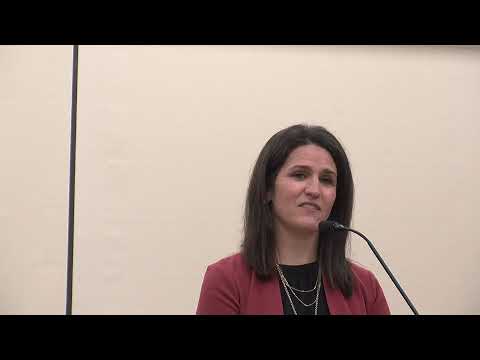
Robin Hawk, a representative of the Student Support Programs and Services Division of Pasco County Schools, presented a draft of proposed revisions to the student code of conduct for the 2025–26 school year, telling the board the review was conducted under Florida Statutes section 1006.07(2) and through five work sessions this year.
Hawk said the draft makes mostly editorial and organizational changes but also adds and clarifies several substantive items, including a separate “minor infractions” section, moving PBIS (preventive behavioral supports) language to the front of the document, changing the term “offense” to “infraction,” and relocating protective language for students with disabilities to the top of the disciplinary section. “We are trying to become a much more family friendly, staff friendly document,” Hawk said.
The board and staff spent most of the workshop discussing three recurring concerns: how schools will treat makeup and late work after absences; how detention, in-school suspension (ISS) and out-of-school suspension (OSS) are defined and distinguished; and progressive discipline for bus misconduct.
On makeup and late work, board members pressed for clearer parent-facing guidance rather than a simple reference to School Board Policy 54.21 (the district grading policy). One board member said the policy reference should be removed from the draft because parents are unlikely to find or interpret a policy document: “No parent is going to even know how to go find the school board policy,” the board member said. Staff said they will provide an associated procedure and a public link in board docs, and Hawk said district staff plan to circulate more detailed procedural guidelines to teachers by May 20 and bring language back to the board for review.
Board members asked staff to make expectations clearer for returning students who missed instruction. Several members supported teacher discretion but sought guardrails so a student who was present for instruction cannot automatically receive multiple days to make up an assessment. Hawk and board members discussed a recommended line for the code: assignments due on the date of an absence should be due upon the student’s return and assessments should be taken on the date of return unless a teacher grants an extension.
The draft also adds a formal explanation of “detention” and distinguishes detention (non-instructional time) from ISS (which is meant to include instructional minutes). Hawk said that distinction was moved forward because the previous definition had been buried near the document’s end.
Board members and staff reviewed changes to the discipline matrix and several action codes. Hawk said committee members split a broad “fighting” code into separate entries to differentiate mutual physical combat from lesser physical contact such as pushing or slapping, and added a new code to identify certain behaviors more precisely. Staff also clarified which incidents are reported under state safety reporting (SESR) versus local codes and noted that some level-3 incidents may meet reporting thresholds and possible law-enforcement referral.
Bus discipline drew lengthy discussion. Transportation uses a progressive set of removal lengths (three days, five days, 10 days and longer) tied to repeated referrals; several board members urged moving earlier to a required behavior plan and parent engagement so a student does not reach a third referral without interventions. Staff said the current matrix is intended to allow targeted interventions (seat reassignment, check-in/check-out, behavior plans) and that expulsions have been rare; they agreed to gather referral counts and consult further with transportation and school leaders about tightening the sequence.
Vaping and the district’s “TOOLS” program (secondary training and intervention) were also on the agenda. Staff said they plan to use TOOLS for vaping responses and are coordinating prevention, detection and response plans; new school construction will include vape detectors, staff said, and vaping incidents that include drugs such as THC are coded and handled differently than tobacco-only vaping.
Hawk and board attorney Meeker reviewed revisions that expand and clarify appeal rights, including language describing district-level evidentiary hearings and the board-level review, and changed some automatic evidence-copy provisions to make video or other evidence “available” for review rather than automatically provided in hard copy.
The board asked staff to: add a public-facing link to the supporting procedures and relevant statutes in the materials posted to BoardDocs; return with the late-work and makeup-work procedure language and the draft teacher guidance; collect data on bus-referral counts and the number of students removed from buses at each referral stage; and propose whether certain discipline thresholds should be moved earlier in the progressive sequence. Staff agreed to return recommended text and procedures for further board review.
No formal votes or ordinance adoptions occurred at the workshop; the session was a working review of the draft code and direction for staff to refine and publish clearer procedures.
The board and staff noted several next steps and follow-ups, including distributing teacher-facing guidance, publishing a linked procedure for late work and makeup work, and further consultation with transportation staff about escalating bus-removal steps. Hawk told the board she expected to post the related procedures to BoardDocs and to return to the board with suggested wording before final adoption.