Get Full Government Meeting Transcripts, Videos, & Alerts Forever!
Get email alerts on the Master Plan topic
No spam. Unsubscribe anytime.
Nantucket planning workshop spotlights housing, conservation and infrastructure in master-plan update
Summary
At a Planning Board-sponsored public workshop, consultants and residents discussed priorities for Nantucket’s 2025 master plan update — focusing on housing affordability, conservation and transportation — and planned a follow-up session to refine a shared vision.
NANTUCKET, Mass. — Residents and consultants gathered at a Planning Board public engagement workshop on Saturday to help shape Nantucket’s master plan update, with much of the discussion centering on housing affordability, conservation of natural resources and infrastructure needs.
"This is our second public engagement event for the master plan," said Leslie Snell, director of planning, opening the session. Consultants led by Peter Flinker outlined the plan’s purpose and solicited public priorities for a 10-year time horizon.
"The plan itself as you know is a document that's really meant to be a policy guide that's the basis of town decision making and action going forward," Flinker said, describing the update process and the team’s intent to move from inventory to prioritized actions. The team noted the update builds on prior outreach, including interviews and a community survey.
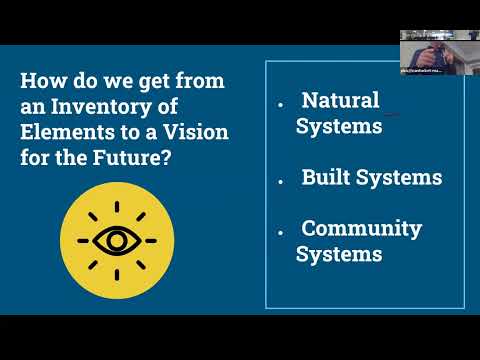
Workshop facilitators divided topics into three themes — natural systems, built systems and community systems — and displayed three large maps for participants to mark assets and challenges. Attendees placed sticky notes and discussed specific local problems including water-quality issues, development pressure, and traffic and parking.
Several residents emphasized housing as the issue most urgently needing town action. "Well, how to find a a community agreement on what it is we want would be number 1. How to pay for what we want is number 2," said Mary (resident). Participants described high construction and land costs, a shortage of year-round housing, and pressures from short-term rentals.
Community members discussed both regulatory and funding options. One participant advocated for a state-level transfer fee to raise dedicated housing funds; speakers also described existing town expenditures for housing and covenant programs intended to preserve units as year-round housing. Chris (resident) described a proposed fee structure similar to the land bank, saying it would apply to sales above a threshold to raise revenue for affordable housing.
Natural-resource concerns included nutrient pollution and algae blooms, which participants linked to landscaping and golf-course runoff. Facilitator Eli summarized discussions about outdoor amenities and transit: "The buses have become free recently, and ridership has increased, I think some it was 90% in the last couple years," Eli said, noting community support for the free bus system.
The consultants said the team had already compiled extensive public input, including more than 70 stakeholder interviews and a community survey with over 1,600 responses, and asked participants to prioritize actions the plan should address in the next decade. The consultants said tomorrow’s second session would drill down into visions and implementation steps.
Organizers closed by reminding attendees there will be a follow-up workshop the next morning and that results from the in-room maps would be posted online. No formal votes or regulatory changes were taken at the meeting; the session was a public engagement step in the master-plan process.