Get Full Government Meeting Transcripts, Videos, & Alerts Forever!
Get email alerts on the Zoning topic
No spam. Unsubscribe anytime.
Supervisors continue public hearing after heated comments over proposed A2 zoning changes for forest-product yards
Summary
The Winneshiek County Board continued a public hearing on an ordinance amendment that would add two uses to the A2 district, including forest product concentration yards; residents, tree farmers and planning staff disputed whether the use is agricultural or a separate, regulated use.
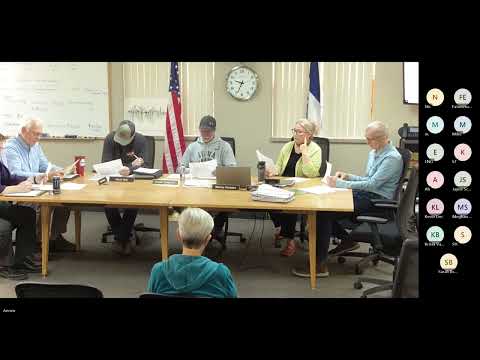
Winneshiek County supervisors continued a public hearing on proposed changes to the county’s zoning ordinance after extensive public comment and questions from the board and planning staff.
Planning staff described the amendment as primarily administrative with two new uses added to the A2 district: “Product concentration yards with processing, not including sawmills” and “production winery, brewery, distillery, cidery, including a tasting room,” the planning representative said. The planning and zoning commission had recommended approval after a public hearing on April 8.
Several county residents and business owners opposed portions of the change. Caleb Ory, who identified himself as a county resident, argued the addition of a forest product concentration yard to the A2 district would be contrary to Iowa law and longstanding practice: “The harvest, production, transportation, and stockpiling, also known as tree farming, of forest products has always been an established and protected use on A1 property throughout Winneshiek County and Iowa,” Ory said.
Tree farmer James Albring said the proposed classification would be expensive and harmful to local tree farmers: “Separating forest products and activities from the rest of ag is just plain wrong,” Albring said, adding that timber activities are long-established in the county and form part of the local agricultural economy.
Neighbors described safety and nuisance concerns near an existing concentration yard. “This business provides 12 to 13 hours of load activity daily, semi traffic blocking Highway 52, and has destroyed county roads and is operating 130 feet from our house,” Sarah Krosz said in a chat comment read into the record. Neighbor Austin Dodd also said trucks had been parked on the highway on at least one occasion and called for operations to keep loading on the business property rather than on public roads.
Planning staff and the county’s planning attorney participated in the discussion. Tony (Planning and Zoning staff) said the commission distinguished harvesting on a farm from an off-farm concentration yard and compared the proposed use to grain elevators and other agricultural service businesses that are regulated by zoning. He explained that processing, storage and sorting that occurs at a concentration yard are the kinds of activities zoning typically regulates.
The board paused further action and voted to continue the public hearing to a later date to allow further review and additional stakeholder input, including conversations with the county attorney and planning staff. A supervisor moved to continue the public hearing and the motion carried by voice vote.
Why it matters
The amendment would change how log storage, sorting and similar activities are treated in rural zoning: whether those activities are considered a standard agricultural use on A1 land or a separate commercial/service use subject to A2 zoning rules affects where such yards can operate and what approvals are required.
What’s next
Supervisors set the item for continuation two weeks out so planning staff can provide additional analysis and the county attorney can participate. The county will accept more public comment at the continued hearing.