Get Full Government Meeting Transcripts, Videos, & Alerts Forever!
Get email alerts on the Water Safety topic
No spam. Unsubscribe anytime.
Resident questions county role in well monitoring and landfill oversight
Summary
A resident asked supervisors about groundwater monitoring, landfill closure monitoring and county authority over CAFOs and private wells; county staff outlined DNR oversight, testing options and a state well-plugging program.
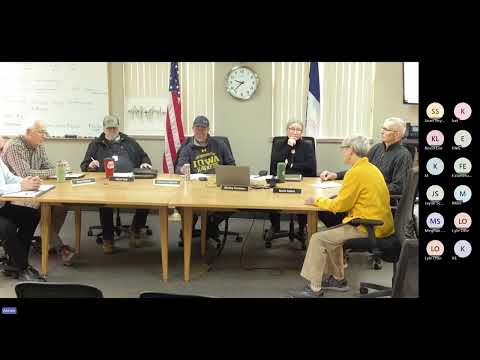
Julie, a Winneshiek County resident, asked county officials during the meeting about how groundwater safety and landfill monitoring are managed and what recourse exists for contaminated private wells and inactive concentrated animal feeding operations.
The question prompted county staff to explain that the Iowa Department of Natural Resources (DNR) oversees long-term monitoring of closed landfills and sets testing and certification standards for public water systems. "So many years it's monitored. It's monitored now. There's so many monitoring wells around the whole landfill," said Doug Grill, the county sanitarian.
Why it matters: private wells serve many rural properties, and residents raised concerns that contamination could affect breweries, small businesses and household water supplies. County staff said municipal water systems are tested daily and reported to the DNR, while private well testing is the responsibility of individual property owners.
County staff described options available to residents: the county can provide water-sampling kits that staff will send to a laboratory, and there is a state program that will contribute toward plugging abandoned wells. A staff speaker said the county contains roughly "1,400 wells" and that "over 300 are contaminated," though meeting remarks did not provide the source or a formal data citation for those numbers. Grill also said he believes DNR monitoring obligations last about 20 years after a landfill closes, and he directed follow-up questions about exact timeframes to the DNR.
Speakers pressed whether the county has authority to force cleanup of former CAFO sites; staff reiterated that those sites and long-term remediation fall primarily under state jurisdiction. "The question. That's a DNR question," Grill said when asked about the county's legal powers.
There was no formal action or vote on these matters at the meeting. County staff offered to provide links and resources for residents, including the state well-water resources referenced during discussion.