Get Full Government Meeting Transcripts, Videos, & Alerts Forever!
Get email alerts on the Elementary Education Programs topic
No spam. Unsubscribe anytime.
Spalding Elementary students show STEAM projects; teacher received $5,000 robotics grant
Summary
Students from Spalding Elementary presented STEAM projects at the April 7 Goshen Board of Education meeting. Principal Ashley Andrews and teacher Lisa (Spalding) described classroom projects across third through fifth grades, including 3D printing, robots purchased with a $5,000 grant and life‑cycle lessons.
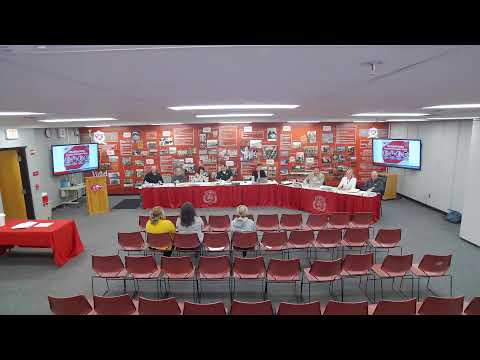
Students and staff from Spalding Elementary presented a STEAM showcase to the Goshen Board of Education on April 7, demonstrating projects that the school has implemented in its first year of a STEM/STEAM program.
Spalding Principal Ashley Andrews introduced the class visit. Teacher Lisa described grade‑level projects: third graders worked on teamwork exercises and life‑cycle studies that included incubated chicken eggs (about 29 chicks were hatched), fourth graders used Tinkercad and 3‑D printing and built pinball machines, and fifth graders worked on soundproof boxes, fidget cubes in Tinkercad and a March Madness engineering challenge. Lisa said she wrote a grant early in the year that purchased about $5,000 worth of robots for student use; students worked with three kinds of robots to learn drawing, coding and movement.
Several students told the board what they enjoyed about STEAM. One student said, “Taking stuff and being creative.” Another said working on the pinball machine was a favorite project; one student described learning about potential and kinetic energy.
Board members praised the program’s emphasis on teamwork, resilience and design thinking, and the board presented students with certificates and Goshen pins for bringing their projects to the meeting.
Why it matters: the program introduces hands‑on engineering, coding and design to elementary students and includes grant‑funded robotics, 3‑D printing and standards‑aligned projects. The presentation highlighted career awareness and the district’s efforts to connect classroom projects to broader educational goals.
What’s next: the teacher said pinball machines will be completed after spring break and students will work on solar ovens aligned to science standards.