Get Full Government Meeting Transcripts, Videos, & Alerts Forever!
Get email alerts on the Utilities Rates topic
No spam. Unsubscribe anytime.
Municipal authority approves multi-year water and sewer rate increases to build reserves and meet debt coverage
Summary
Communities Unlimited presented a five‑year water and sewer rate study showing the utility revenues fall short of expenses. The Atoka Municipal Authority approved a rate adjustment package and recommended the council adopt formal resolutions to raise rates and establish asset replacement savings.
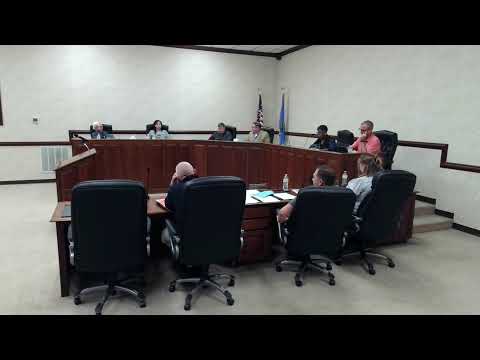
Communities Unlimited presented a five‑year water and sewer rate study to the Atoka Municipal Authority, concluding revenues currently fall short of operations, debt service and asset‑replacement needs and recommending a multi‑year rate increase and establishment of replacement savings accounts.
Consultant Gailene (Communities Unlimited) told trustees the authority must meet operating and debt coverage targets required by lenders. She said the water system would need about $278,365 per year and the sewer system about $209,605 per year in asset‑replacement savings to reduce the need for ad‑hoc borrowing. “Your revenues are outpacing your expenses” only if rates are raised, the consultant said; otherwise the authority risks continuing to borrow when components reach the end of useful life.
The proposed package would raise the average combined water bill by roughly $21–$22 per month (based on current average usage) and would include an automatic 3% annual increase option for the next five years. Presentation slides and the consultant’s memo modeled impacts on residential, commercial and wholesale customers and noted the authority’s average bills would remain below commonly used affordability thresholds based on median household income.
Authority trustees discussed the hardship on low‑income households and asked about averaging programs (to stabilize bills month‑to‑month). Staff said technical options exist but would take time to implement; the consultant noted any averaging program could require reconciliation so a customer with substantially higher actual annual usage might face a catch‑up charge. The authority voted to approve the recommended rate adjustments and directed staff to prepare the formal resolutions for council consideration. The mayor and trustees emphasized the decision was difficult but said postponing increases would defer necessary infrastructure investment and increase future costs.
Trustees and staff noted the city has secured grants and loans for plant and distribution system work, but those funds do not replace the need to save for future asset replacement. The authority recorded its roll‑call approval and the item will proceed to the city council for formal adoption of rates under a subsequent ordinance.