Get Full Government Meeting Transcripts, Videos, & Alerts Forever!
Get email alerts on the Wildfire Recovery topic
No spam. Unsubscribe anytime.
Board schedules May hearing on wildfire recovery and insurers'replacement-cost concerns
Summary
The Board of Equalization voted to hold a one-hour informational hearing May 28 on wildfire disaster relief and the impact of insufficient replacement-cost estimates in California, citing recent reporting that algorithm-driven estimates may leave homeowners underinsured.
The Board of Equalization on April 20 voted to hold a one-hour informational hearing at its May 28 meeting to examine wildfire disaster relief, recovery challenges and the impact of insufficient replacement-cost estimates on homeowners and small businesses.
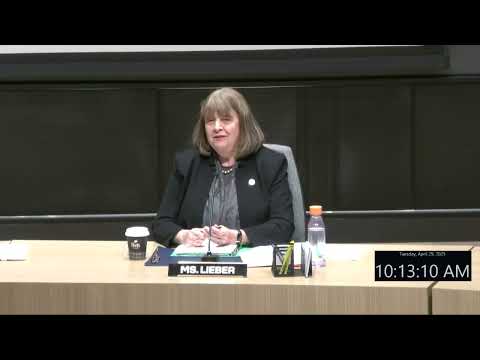
Vice Chair Susan Lieber moved the hearing after citing investigative reporting by the San Francisco Chronicle and coverage on KQED alleging algorithm-driven underinsurance in wildfire-prone areas. Lieber said the reporting described "flawed algorithms and processes [that] put their homes at risk of being underinsured." The board approved the one-hour informational hearing, with Member Deborah Vasquez seconding.
Members argued the hearing is timely because recent fires have left many homeowners and businesses facing uncertain rebuilding costs. Member Vasquez and others said the topic could require more than an hour: Vasquez noted local outreach events in Los Angeles County and that rebuilding in areas such as Pacific Palisades and Malibu could take years. Vasquez asked whether existing funds from Proposition 19 were available for wildfire relief; Executive Director Yvette Stowers said the Department of Finance's latest memo (September 2024) reported $0 in the fund.
Board members emphasized practical barriers to rebuilding after large-scale fires: supply-chain constraints, contractor shortages, and delivery routes blocked by debris and closed roads. Lieber and Vasquez discussed potential responses such as regional staging for supplies and coordinated rebuilding strategies to gain volume economies, though the board did not adopt any specific programmatic proposals at the meeting.
The board's action was procedural: it scheduled the informational hearing and will invite stakeholders and experts to present evidence about insurer replacement-cost estimation practices, supply-chain bottlenecks, and federal and state funding mechanisms for disaster recovery. The hearing is intended to gather information to inform future board discussion and potential legislative or administrative recommendations.
Vice Chair Lieber said she expected to invite speakers and asked members for assistance identifying witnesses. The board's motion passed by roll call: Aye votes from Chairman Gaines, Vice Chair Lieber, Member Vasquez, Member Schaffer and Deputy Controller Amaron.
The hearing is on the May 28 meeting agenda as a one-hour item; staff indicated there are already other items that day, and members signaled willingness to expand the agenda or adjust timing if the item requires more time.
The May hearing will focus on: (1) how replacement-cost algorithms and insurer practices affect underinsurance after wildfires, (2) federal and state funding or statutory barriers to timely reconstruction, and (3) potential administrative or statutory steps the board could recommend to reduce rebuilding delays and underinsurance risk.