Get Full Government Meeting Transcripts, Videos, & Alerts Forever!
Get email alerts on the Cannabis Samples B2b Events topic
No spam. Unsubscribe anytime.
Industry seeks rule changes to allow B2B cannabis samples and on-site wholesale transfers
Summary
At a May 5 hearing, industry representatives urged the House committee to approve Senate Bill 558 to allow business-to-business trade samples, on-site wholesale transfers at registered events, and limited producer-to-producer transfers; the OLCC’s hemp stakeholders said they were neutral and would review amendments.
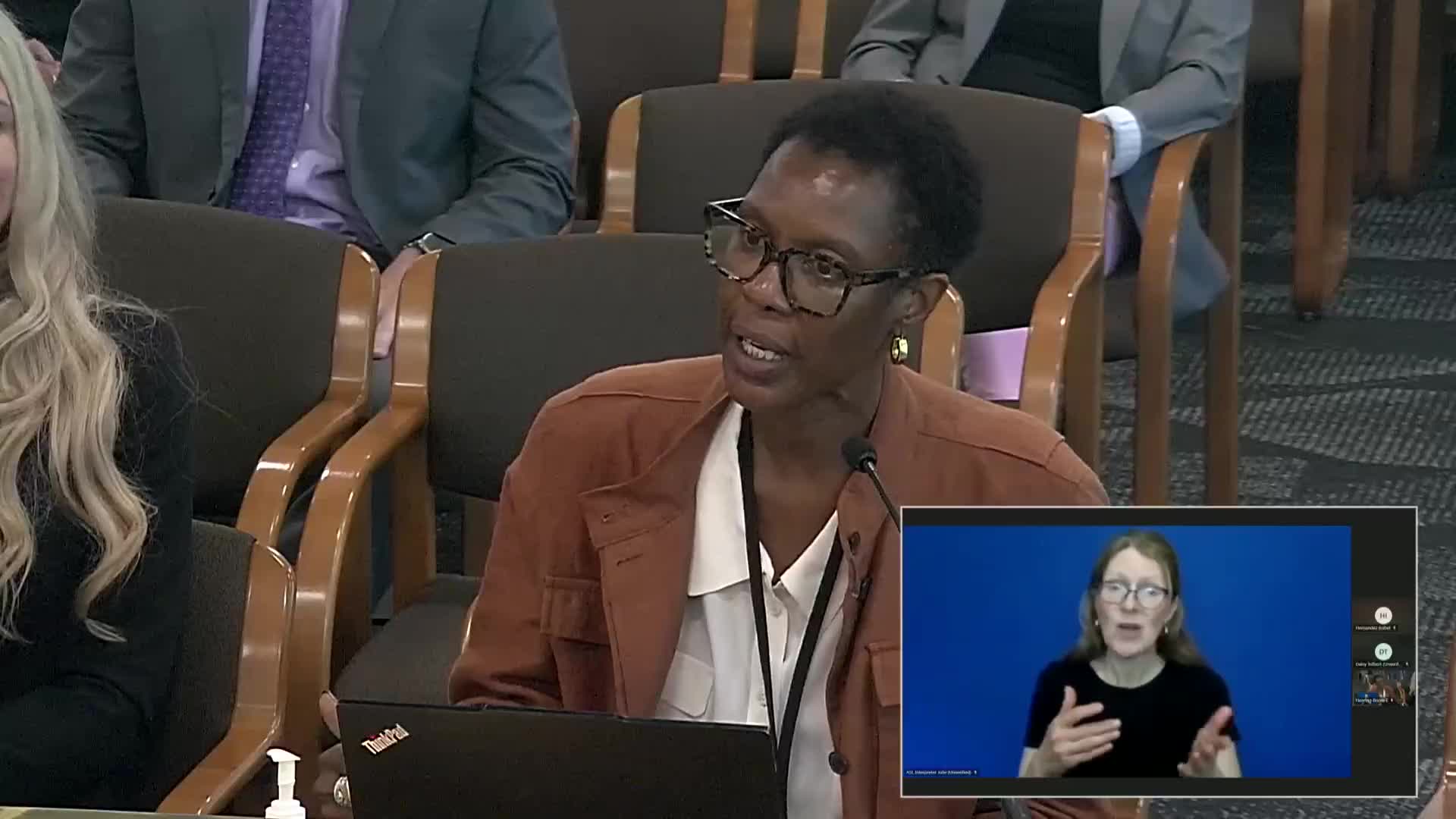
The House Committee on Economic Development, Small Business and Trade held a public hearing May 5 on Senate Bill 558, a package of changes to Oregon’s cannabis sampling and business-to-business rules. Industry witnesses said the bill would modernize outdated restrictions, reduce transportation costs for rural businesses, and improve product training and quality control; hemp stakeholders registered neutrality pending review of possible amendments.
Supporters described five principal reforms in the bill: allowing exchange of trade samples among licensees and permitted marijuana workers at OLCC-registered B2B events; permitting wholesale sales or transfers at those registered events; eliminating an ownership-based restriction on producer-to-producer transfers of usable flower; allowing producers to provide seeds and immature plants to marijuana workers for research and education; and increasing sample limits for permitted employees to enable training and quality control.
Nikki Terziak of the Cannabis Industry Alliance of Oregon told the committee members the changes are “non consumer facing” technical fixes that would create parity with other industries and reduce operating costs. Jesse Bonacue summarized the bill’s proposals and said tracking and oversight would remain in place: “All of these products are required to still be tracked in the CTS [cannabis tracking system], and be subject to OLCC rules and regulations,” he said.
Business witnesses described practical effects. Marissa Rodriguez, COO of Nimble Distribution, said the current rules force costly, repeated long-distance trips when retailers from remote areas evaluate product at trade shows. Tucker Holland of Entourage Cannabis and Jason Lampman, a micro-tier producer, said expanded sampling is essential for quality control and product development; Lampman compared producer collaboration to the wine industry. Mike Gatlin testified the state’s rule set has changed little since legalization and said the bill would help the legal market compete with illicit operators.
OLCC’s hemp stakeholders, represented by Courtney Moran of Agricultural Hemp Solutions, said they were neutral on the bill’s current language and requested review of any amendments before taking a position, citing concerns about OLCC authority and differing regulatory treatment of hemp.
Committee members asked technical questions about event registration and enforcement. Witnesses and staff said a registered event requires pre-notification to OLCC, manifests and tracking in CTS, and that failure to register a commercial display is a category 1 violation under OLCC rules; witnesses also said samples and transfers cannot be mailed and must remain licensee-to-licensee.
The committee closed the public hearing; no vote was taken at this meeting. Industry witnesses urged a swift amendment and floor action in the current session.