Get Full Government Meeting Transcripts, Videos, & Alerts Forever!
Get email alerts on the Election Integrity topic
No spam. Unsubscribe anytime.
Oregon lawmaker proposes 8-member commission to review alleged false campaign statements
Summary
Rep. Paul Evans told the House Rules Committee his bill would create an eight-member Oregon campaign review commission to investigate and issue nonmonetary sanctions for demonstrably false campaign publications; members questioned timeline and impartiality but no vote was taken.
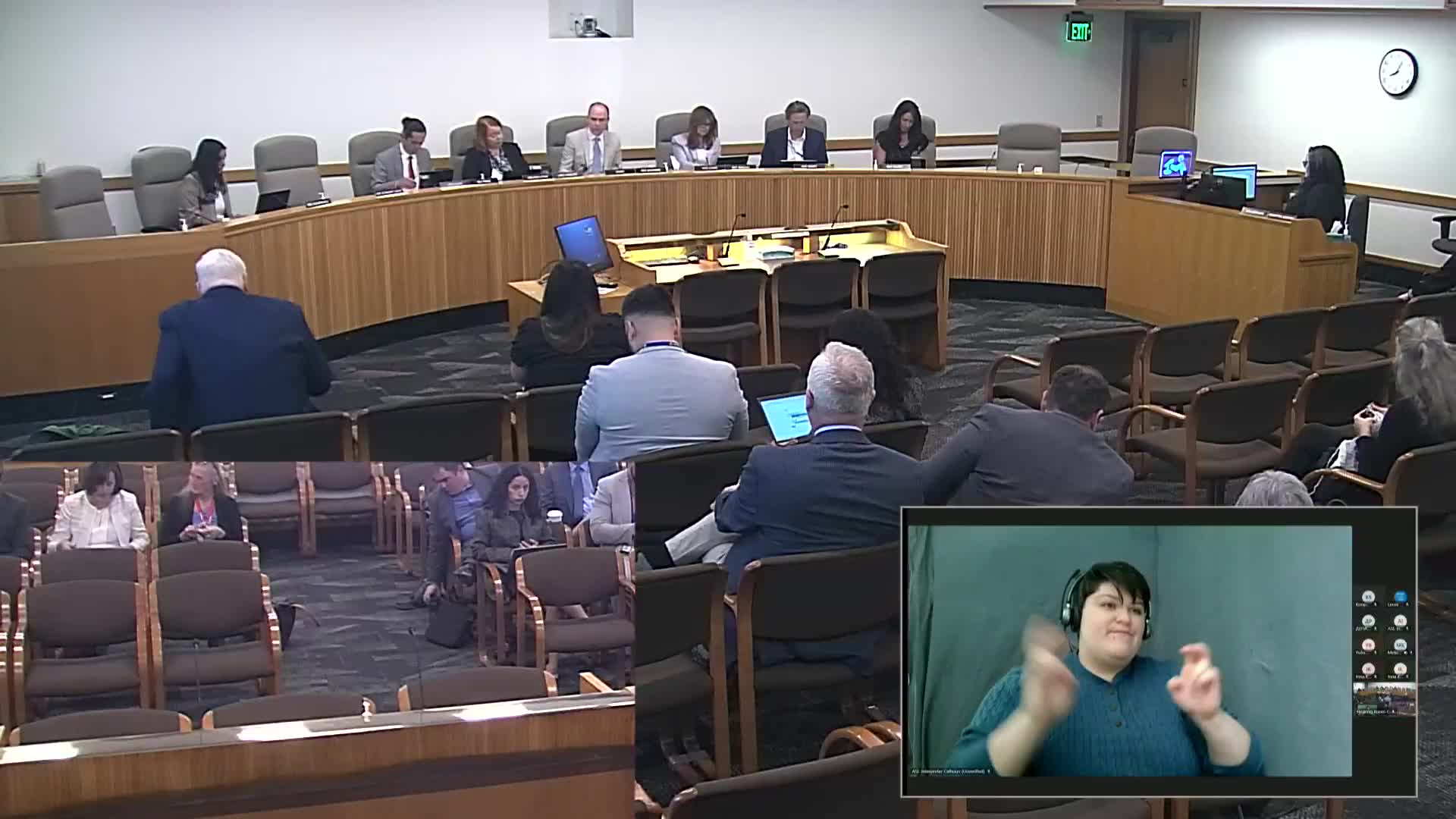
House Committee on Rules Chair Paul Bowman opened a public hearing on House Bill 28 70 on May 5, 2025. The bill would create an eight-member Oregon campaign review commission to review complaints alleging a publication contains a false statement of material fact about a candidate, political committee or measure.
Representative Paul Evans, the bill sponsor, told the committee the commission would be made up of six partisan appointees (three Democrats, three Republicans) and two nonaffiliated or minor-party members, and would require at least six votes to find a violation. Evans said the panel would issue remedies such as public statements or notes in voters' information materials and would not impose monetary penalties.
In his opening remarks, Evans said the measure aims to provide a neutral public reference point in an era when traditional media are no longer the sole arbiters of political claims. "If somebody does something that is out of line, that 6 of 8 believe is out of line, then the potential penalty could include ... a statement in the voter's pamphlet," Evans said.
Vice Chair Draisen expressed skepticism that any commission could operate evenhandedly, recounting false campaign claims she experienced in a recent race. "I don't trust that there is a commission out there that would operate in a way that was even handed and fair," she said. Evans replied that while the commission would not be perfect, he expects retired, experienced partisans of both parties could provide a public reference point and gradually change campaign culture.
Committee members asked about timing for complaints during active races. President Abbas Davis asked how quickly complaints could be processed; Evans said the bill sets shorter submission and processing windows the closer a complaint is to an election and that the structure contemplates compressed timelines—"within 5 days, within 7 days, within 10 days based on the closeness to the election." He also noted timeline details could be negotiated and that stipends for volunteers might be considered to ensure availability during critical periods.
The hearing closed without a committee vote. The bill remained in the Rules Committee for further consideration.
Evans framed the bill as nonpunitive and aimed at restoring a shared baseline of truth in political discourse, while at least one committee member questioned whether a commission could be impartial enough to withstand partisan pressure.