Get Full Government Meeting Transcripts, Videos, & Alerts Forever!
Get email alerts on the Health Department Renovation topic
No spam. Unsubscribe anytime.
Brown County weighs final payments on health department renovation; commissioners discuss using ARPA to cover overruns
Summary
County officials reviewed change‑order credits and a previously unbilled invoice tied to upgrades at the joint Brown County–City of Brownwood health department; commissioners agreed to pay outstanding bills and discussed using ARPA funds to cover the county's share.
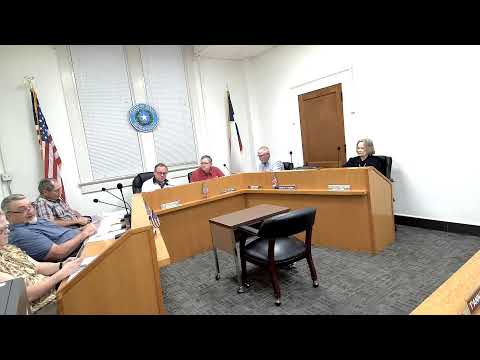
Brown County commissioners spent significant time reviewing final invoices and change‑order credits tied to a joint renovation of the Brown County–City of Brownwood health department and discussed using ARPA funds to cover the county’s portion of the overrun.
County staff explained the project was originally budgeted at roughly $600,000 but subsequent work, upgrades and accounting corrections led to higher totals. The county has so far paid $777,088.25; staff identified an additional invoice of $80,261.69 that remained to be paid, which would bring county payments above $800,000.
Staff said grant funds secured by the health department had been intended to offset part of the upgrades; an accounting error credited the county $44,007.66 when the correct county credit should have been $22,003.83, and a second credit of $7,436 should have been split with the city (county share $3,718). The net effect, staff said, created a roughly $26,000 reconciliation adjustment tied to prior billing entries.
The county and city jointly own the health department building. County staff said the city contributed to the renovation and earlier discussions included the county receiving developed space in exchange for funding work, but plans changed and rent/possession details were later discussed between city and county officials. The court discussed ownership percentages and that approximately 30% of a separate city-owned building remained undeveloped.
Commissioners asked whether the final bills exceeded contractual change‑order thresholds; county staff said the contract’s change‑order limit had not been exceeded and that the last invoice was a correction. The group discussed funding sources and one commissioner proposed using ARPA funds until the county exhausts ARPA allocations; another said the project had been split 50/50 with the city and suggested contacting city officials to reconcile the remaining balance.
The court moved, seconded and approved payment of the bills as presented on the schedule provided that morning. Staff were directed to follow up with city contacts to reconcile credits and work out whether the county or the city would cover the outstanding balances; staff also noted several ARPA‑designated projects and current commitments that would be reduced if ARPA covered this payment.