Get Full Government Meeting Transcripts, Videos, & Alerts Forever!
Get email alerts on the Evidence And Procedure topic
No spam. Unsubscribe anytime.
Appeals court considers whether clerk's reference to officer swearing complaint created substantial risk of miscarriage
Summary
In Commonwealth v. Pah (24P.607) the court reviewed an argument that a clerk's reading that a complaint was sworn by a sergeant may have improperly injected police credibility into a trial that otherwise lacked police testimony; the court heard competing views about prejudice standards.
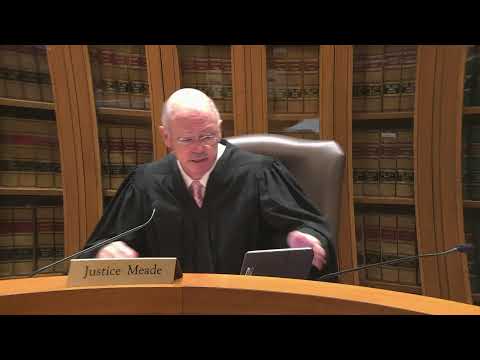
Appellate justices heard argument in Commonwealth v. Pah (24P.607) over whether a clerk magistrate's statement to the jury that a complaint had been sworn by a sergeant improperly introduced extraneous information that could have affected verdicts in a trial without police testimony.
Defense counsel Alex Conley argued that the clerk's reference that "Sergeant Boyle swore this complaint" injected the prestige of police into the case and undermined the defense's closing theme of lack of police corroboration. Conley noted juries are often asked whether they are more likely to credit police testimony and that the clerk's statement could create an unspoken credibility boost even though the judge instructed the jury that the complaint is not evidence. "The jury should not have been told that Sergeant Boyle swore this complaint to the clerk magistrate," Conley said, and urged the court to review for a substantial risk of a miscarriage of justice.
Commonwealth counsel responded that the jury had been properly instructed on the presumption of innocence and that jurors had said they could follow the law; he urged the substantial-risk standard and cited precedent limiting appellate intervention when no contemporaneous objection was made. "All the jurors in this case said that they could [follow the presumption of innocence], and they were properly instructed," the assistant district attorney said.
Argument focused on the appropriate standard of appellate review when extraneous information is presented and undisputed that there was no police testimony at trial. The panel asked whether a voir dire question or additional jury instruction would be appropriate in such circumstances. The court took the arguments under advisement.