Get Full Government Meeting Transcripts, Videos, & Alerts Forever!
Get email alerts on the Public Order topic
No spam. Unsubscribe anytime.
Appeals court weighs whether refusing mask and not leaving courthouse met disorderly conduct
Summary
The panel reviewed evidence and video in an appeal by Eric McAndrew, who was convicted of disorderly conduct after refusing to wear a mask and declining to leave a courthouse; attorneys disputed whether the conduct met the statutory standard for tumultuous or physically offensive conduct.
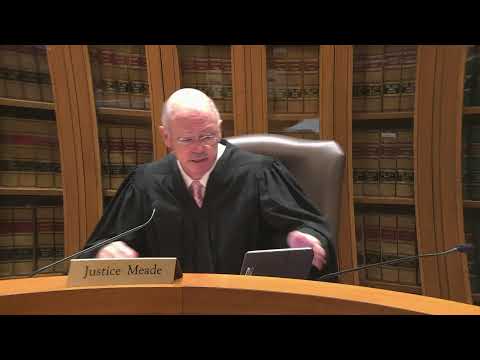
The Appeals Court heard argument in Commonwealth v. McAndrew (24P.74) on whether a conviction for disorderly conduct in a courthouse should be upheld where the defendant refused to wear a mask and declined orders to leave.
Christopher Trundy, representing Eric McAndrew, argued the evidence was insufficient to support a disorderly-conduct conviction. He said the statute requires conduct such as yelling, drunkenness, or physically offensive acts and that video and testimony did not show that level of tumulthood. "Isn't Mr. McAndrew told 10 times to leave the building?" a justice asked; Trundy said the testimony was disputed and the video contradicted parts of the officers' account. Trundy stressed juries must view the evidence in the light most favorable to the Commonwealth but said the record here showed no public nuisance or yelling comparable to cases that upheld convictions.
Commonwealth counsel argued the conduct must be viewed in context, including several instructions to leave, a security supervisor's involvement, and a physical altercation in which an officer said he felt an elbow near his face before taking McAndrew down. The prosecutor said that sequence of events and the defendant's refusal to leave could form the basis for a finding of tumultuous conduct in a courthouse.
The panel questioned whether the existence of video that may or may not fully align with witness testimony was dispositive and discussed how differences between subjective descriptions and objective footage typically present a jury question. The court took the matter under advisement.