Get Full Government Meeting Transcripts, Videos, & Alerts Forever!
Get email alerts on the Criminal Procedure topic
No spam. Unsubscribe anytime.
Appeals court hears dispute over destroyed files, Brady claim in Commonwealth v. Hunt
Summary
The Appeals Court heard argument over whether defense counsel raised a substantial issue warranting a new-trial hearing after prosecutors acknowledged destruction of district-court files the defense had sought; the panel took the matter under advisement.
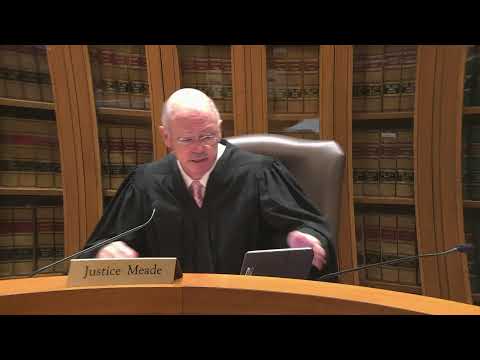
Justice Mead and an appeals-court panel heard argument in Commonwealth v. Hunt (24P.953) over whether the defendant's motion for a new trial raised a substantial issue requiring a hearing after the Commonwealth reported files had been destroyed.
The case centers on whether the motion judge had an obligation to determine whether the Commonwealth destroyed files subject to a pending motion in bad faith and, if so, whether that destruction created prejudice to the defense under Brady v. Maryland. Defense counsel Robert Herrick told the court he had sought post-conviction discovery for two district-court drug-case files and later learned the Commonwealth had represented those files were destroyed. "I filed a motion for post-conviction discovery ... and this court that I was titled the files were destroyed," Herrick said. He argued the district court relied on a misrepresentation about when files were destroyed, leaving him unable to meet his burden because he could not examine the missing files.
Commonwealth counsel responded that Judge Cosgrove and prior panels made extensive factual findings about inducements to a witness named Todman (Todman/Tadman in the record) and that two of five district-court files at issue had been destroyed in ordinary course shortly after the first discovery motion was filed. The Commonwealth argued the defendant's claim remained speculative as to what useful material might have been in the destroyed files and that the record, including trial testimony and prior findings, undercuts any claim of prejudice. "He can't make that ultimate showing then of prejudice," counsel told the panel.
Both sides debated whether the earlier sanctions motion and its denial barred the subsequent motion for a new trial on direct-estoppel grounds, and whether the loss of files could demonstrate bad faith or simply routine destruction. Herrick urged that affidavits and the prosecuting attorney's statements raised a non-speculative possibility of exculpatory material, whereas the Commonwealth said the evidence already in the record, including testimony and investigatory findings, made it unlikely that the files would have produced material helpful to the defense.
The panel asked questions about timing (when the files were destroyed relative to the motion), what items defense counsel expected to find, and the standard for prejudice when evidence is lost. The court took the case under advisement at the end of argument.