Get Full Government Meeting Transcripts, Videos, & Alerts Forever!
Get email alerts on the Land Use Zoning topic
No spam. Unsubscribe anytime.
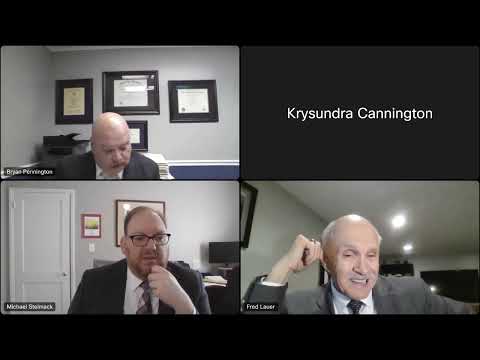
Baltimore County Board of Appeals accepts reconsideration motion but denies relief in McKenzie use-permit case
Summary
The Baltimore County Board of Appeals agreed to consider a motion for reconsideration in the Melissa McKenzie use-permit matter (UP23-005-AL) but denied the requested relief, citing untimeliness and lack of evidence that a rezoning altered the permitting analysis.
The Baltimore County Board of Appeals on a public deliberation accepted a motion for reconsideration in the matter of Melissa McKenzie (case UP23-005-AL) but denied the relief requested, concluding the filings before the board did not show a timely, substantive basis to overturn the board’s prior opinion.
The motion for reconsideration was filed by counsel for the protestants and dated in the packet as March 19 (an emailed transmission showed a March 18 timestamp of about 10:45 p.m.); the board’s original opinion was issued Feb. 13. During the deliberation board members discussed whether the 30-day reconsideration window had been extended by the so-called mailbox rule (Maryland Rule 1-203(c), which adds three days when service is by mail) and whether the protestants had submitted evidence showing the property had been rezoned to RC-5 and, if so, when that change occurred.
Why it matters: rezoning allegations can affect whether a use permit remains valid under a new zoning classification, and challengers can seek reconsideration after an adverse ruling. The board said it is bound by the factual record before it and that claims not presented at or before the hearing limit the board’s ability to act on new factual assertions without supporting evidence.
Board members repeatedly said the motion lacked an evidentiary scaffold: it asserted a rezoning to RC-5 but did not attach public-record evidence showing when the rezoning occurred or whether it predated the board’s Feb. 13 opinion. One member summarized the board’s concern: “If it was true, it would have been easy to append an exhibit that shows that the property was rezoned, and that was not done,” noting the memorandum for reconsideration included no sworn or certified record demonstrating the rezoning or its effective date.
The board debated the mailbox rule’s application because the motion arrived by email late on March 18; members discussed whether the board’s local rules and Maryland Rule 1-203(c) require adding three days when service is by mail and whether the board treats email filings as triggering the end of the business day. After counting days from Feb. 13 and reviewing the filing timestamps, members concluded the motion’s timeliness was close but ultimately resolvable without granting the substantive relief sought.
Members also considered whether the board could reopen the record to receive additional evidence. The board’s rules permit ordering an additional hearing if warranted, but the panel stressed that a motion for reconsideration must identify facts or law that materially affect the original decision and that the motion before them did not do so. One member said, “Show me the law. If it was changed, show us when,” urging the filer to produce documentation if the rezoning had actually occurred.
Disposition: The panel’s working disposition, reached by consensus during deliberation, was to accept the motion for reconsideration for consideration but to deny the relief requested because the motion did not supply timely, corroborating evidence that a zoning change affected the use permit. The record shows no formal roll-call vote recorded in the transcript; board members indicated agreement with that disposition and closed the public deliberation.
The transcript shows the board discussed but did not order supplemental briefing or an evidentiary hearing at that time; the board noted parties could supply memoranda or request further proceedings if they wished to press the rezoning issue with supporting public records. The board did not adopt any change to the previously issued opinion in the deliberation recorded.
All parties involved retain the usual appellate remedies available under Maryland law if they wish to pursue review.